


Keeping Your Kitchen Knives Sharper for Longer
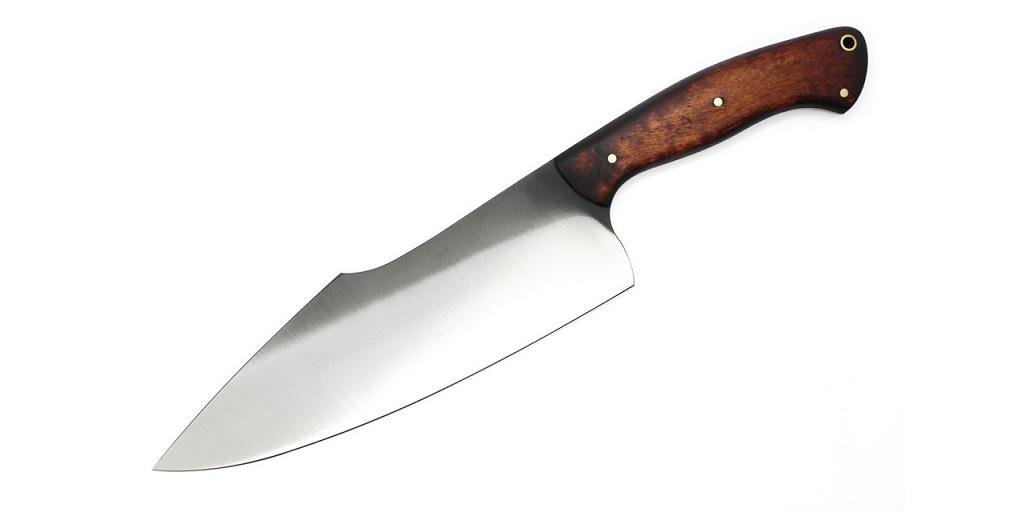
Many kitchen knives are made with relatively soft steels. This is a blessing and a curse. It’s a curse because it means your kitchen knives will get dull at an accelerated rate, but the silver lining is that it means it’ll be relatively easy to restore the edge when that happens.
All the same, here are some things to do to help ensure that your kitchen knives stay sharp for longer.
Keep Them Out of the Drawer
Whatever you do, do not store your kitchen knives in the drawer unless the blade is sheathed. First, this is dangerous, and increases the likelihood you will suffer a laceration when you least expect it.
But to our purpose, storing knives loose in a drawer means that the edge will be exposed and in contact with other kitchen implements, resulting in accelerated dulling of the edge.
Use a Knife Block or Magnetic Strip
Next to not letting your knives free-float in the kitchen drawer, make sure you store them responsibly, either in a knife block or on a magnetic strip or mount designed for that application.
Either of these can be practical. A knife block is designed to protect the edge and the knife in general and will allow the dissipation of moisture to help prevent corrosion.
As for a magnetic strip, that will leave the blade exposed to the air, to help prevent any moisture from remaining on the blade, making it even better at forestalling corrosion.
Don’t Scrape with the Edge
Once you’re done whatever you’re chopping, dicing, or julienning, do not use the edge to scrape your food from the board to the pan or pot.
Flip the knife over and use the spine. Using the edge will roll it, chip it, or worse, and even if it doesn’t, it will wear the edge and dull it very quickly.
Or, better even yet, don’t use the knife at all. Use a scraper. They are literally designed for that purpose.
Be Conscientious When Using the Knife
When you’re using your kitchen knives, be aware of what you’re cutting. For instance, if you’re preparing a bone-in cut of meat, be ginger when removing meat from the bone or when separating joints. Some incidental contact with bone or sinew won’t ruin an edge outright, but hard contact can do more damage than you think.
Be Smart About Your Cutting Boards
There are good cutting boards, there are acceptable cutting boards, and there are terrible cutting boards.
The best cutting boards are wood. These are made from bamboo, maple, acacia, walnut, beech, oak, hickory, and other species. They are soft enough to be gentle on a knife’s edge.
Plastic is in the middle. It won’t do a lot of damage to a knife’s edge, but you will be adding plastic to your food.
Lastly, for some reason, somewhere, some genius (or several) had the idea to make cutting boards from metal and glass. Do not use these, they will destroy your edge.
Lastly, Learn How to Use a Stone
Finally, learn how to use a stone. There are shops where you can take your kitchen knives and some will sharpen them for a small fee, but it’s much better if you know how to do it yourself, and it will save you time and money.
Plus, when you sharpen your own knives, you will be more conscientious about avoiding gratuitous circumstances that result in premature dulling to begin with.
Here for a New Kitchen Knife Set?
In the market for a new kitchen knife set? Get it online at The Knife Connection. They carry a variety of kitchen knife sets from the top brands and if you’d prefer a recommendation you can get in touch with them directly before you buy.
For more information about Great Eastern Cutlery and Hunting Knives Please visit: The Knife Connection.

 English
 Arabic
 French
 Spanish
 Portuguese
 Deutsch
 Turkish
 Dutch
Dutch
 Italiano
 Russian
 Romaian
 Greek
Greek
