


What Tips Improve Invisible Zipper Sewing?
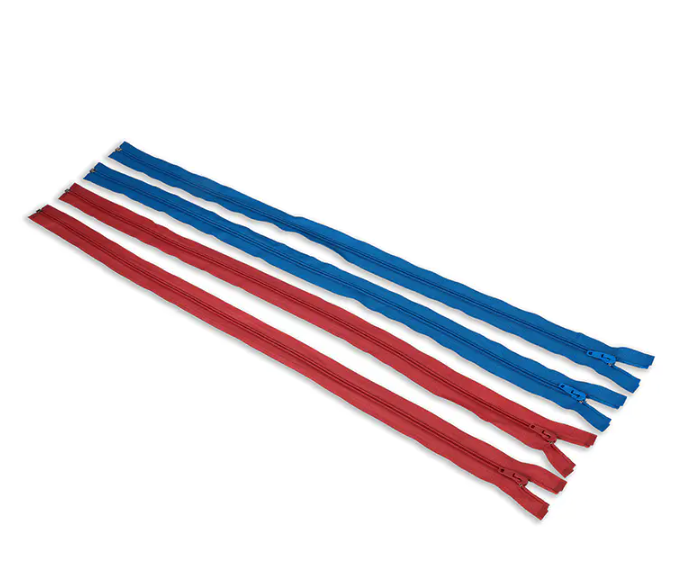
When working with an invisible nylon zipper, many sewists find that success lies in preparation and technique rather than luck. Invisible zippers are intended to be hidden; the teeth sit behind the fabric edges, and the only visible part is the zipper pull. However, without the right approach, common issues such as visible teeth, puckered seams, or zippers that don’t lie flat can ruin the otherwise clean look.
One widely recommended approach is to stabilize your fabric before inserting the zipper. Light weight interfacing strips applied along the seam can help prevent the fabric from stretching while sewing, which is a major cause of the wavy seams that many sewers complain about in forums.
Another practical tip is to ensure you sew as close as possible to the coil without stitching onto it. This depends on using the right presser foot for the task: an invisible zipper foot with guides can help keep the needle aligned with the zipper tape and avoid gaps that make the zipper visible from the outside.
If the zipper is catching, jammed, or doesn’t close easily, check whether stitches have accidentally entered the space between the teeth. Many hobby sewers recommend gently unpicking these stitches, ironing the zipper open, and re-sewing gently so the slider can glide freely up and down the zipper tape.
Making matching marks on both fabric pieces and the zipper tape can also help ensure that waistline seams or pattern lines match after installation — a concern often highlighted in beginner sewing forums. With patience and the right techniques, most common problems with invisible zippers can be resolved before they become project-breaking.

 Arabic
 French
 Spanish
 Portuguese
 Deutsch
 Turkish
 Dutch
Dutch
 Italiano
 Russian
 Romaian
 Portuguese (Brazil)
 Greek
Greek
