The R501 reference electrode is an important device used in electrochemical systems to provide a stable and constant reference potential. It is widely used in laboratories, industries, and scientific research for accurate voltage measurements. In electrochemical analysis, precise readings are extremely important, and the R501 reference electrode helps achieve reliable results by maintaining a fixed potential during experiments and testing processes.
What is an R501 Reference Electrode?
The R501 reference electrode is a type of electrode designed to maintain a stable electrical potential that does not change during electrochemical reactions. It acts as a reference point against which the potential of another electrode can be measured. This electrode is commonly used in pH measurement, corrosion analysis, battery research, and various analytical chemistry applications where stable and repeatable measurements are necessary.
Construction of R501 Reference Electrode
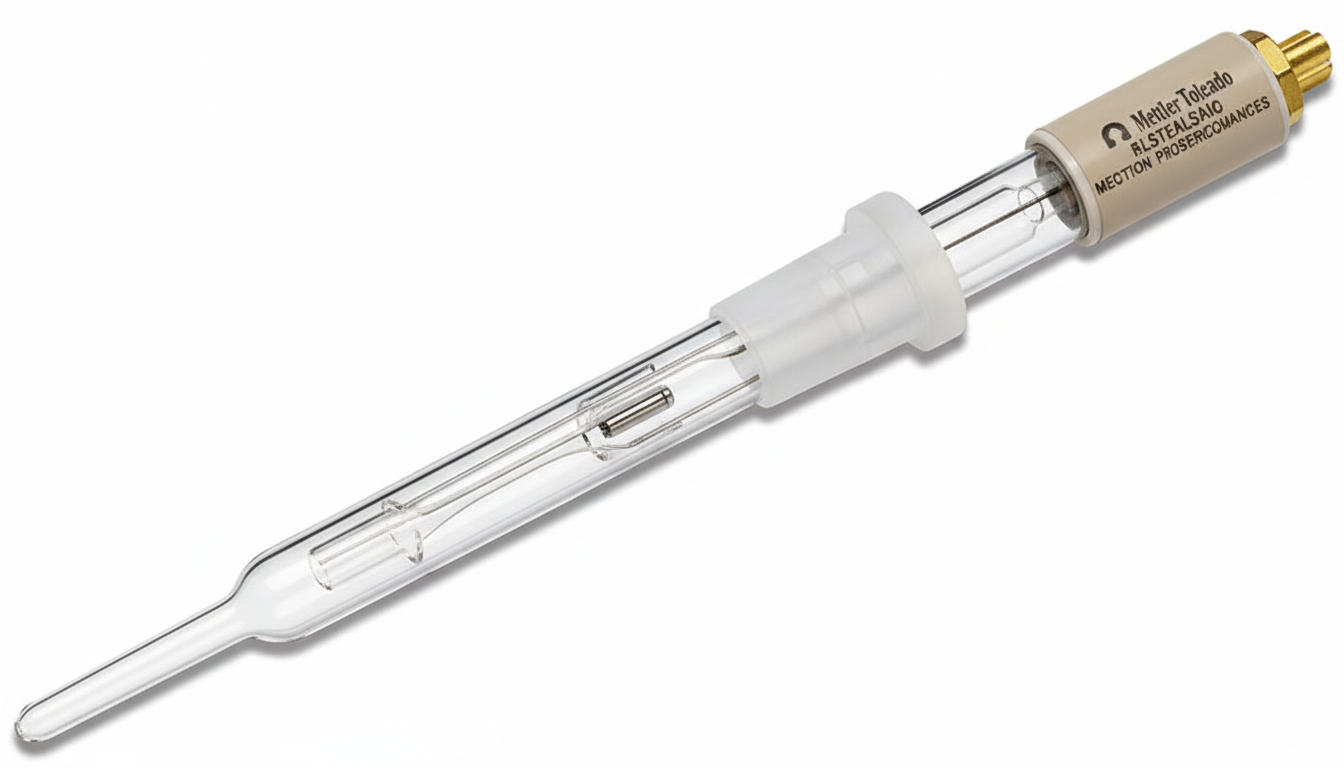
The R501 reference electrode is made using carefully designed components that ensure long-term stability and accuracy. It usually contains an internal reference system such as silver/silver chloride along with an electrolyte solution like potassium chloride. A porous junction allows ionic contact between the internal solution and the external test solution while preventing contamination. The outer body is generally made of durable glass or plastic to protect the internal parts from chemical damage.
Working Principle of R501 Reference Electrode
The working principle of the R501 reference electrode is based on maintaining a constant electrochemical potential. When the electrode is placed into a chemical solution, ions move slowly through the porous junction, creating electrical contact with the external environment. Because the internal electrolyte concentration remains stable, the electrode potential does not change significantly. This constant potential allows accurate comparison with the working electrode during electrochemical measurements.
Features of R501 Reference Electrode
The R501 reference electrode is known for several important features that make it useful in electrochemical applications. It offers high stability, accurate readings, and long operational life. The electrode requires relatively low maintenance and provides excellent reproducibility in measurements. It is also compatible with different electrochemical systems and instruments, making it suitable for laboratory as well as industrial use.
Applications of R501 Reference Electrode
The R501 reference electrode is used in many scientific and industrial applications. It is commonly used in pH meters for measuring hydrogen ion concentration accurately. In corrosion studies, it helps determine the corrosion behavior of metals and alloys. It is also widely used in electrochemical research, battery testing, environmental monitoring, and industrial process control where accurate potential measurement is required.
Importance in Electrochemical Analysis
The R501 reference electrode plays a very important role in electrochemical analysis because it provides a stable reference point for measuring voltage differences. Without a reliable reference electrode, electrochemical measurements would become inaccurate and inconsistent. Its stable performance ensures precise results in scientific experiments, industrial testing, and research studies, making it an essential tool in analytical chemistry and material science.
Advantages of R501 Reference Electrode
One of the major advantages of the R501 reference electrode is its ability to maintain a stable and consistent potential over long periods. It improves the accuracy of electrochemical measurements and reduces errors in analysis. The electrode is durable, easy to use, and suitable for different chemical environments. Its long lifespan and low maintenance requirements also make it cost-effective for laboratories and industries.
Limitations of R501 Reference Electrode
Although the R501 reference electrode has many advantages, it also has some limitations. The porous junction may become blocked over time, affecting the electrode’s performance. The internal electrolyte may require periodic replacement for maintaining accuracy. It is also sensitive to extreme temperatures and certain harsh chemical environments, which can reduce its lifespan and measurement stability.
Maintenance of R501 Reference Electrode
Proper maintenance is necessary to ensure accurate and reliable performance of the R501 reference electrode. The electrode should be stored in an appropriate storage solution to prevent drying of the junction. Regular cleaning helps remove contamination and improves efficiency. Calibration should also be performed periodically to maintain measurement precision. Careful handling and proper storage can significantly extend the electrode’s operational life.
Role in Industrial Applications
In industrial applications, the R501 reference electrode is widely used for monitoring electrochemical processes and ensuring product quality. Industries such as chemical manufacturing, water treatment, and energy storage rely on accurate electrochemical measurements for process control and safety. The electrode helps maintain stable readings in industrial systems, contributing to efficient operations and reliable production processes.
Use in Corrosion Studies
The R501 reference electrode is highly important in corrosion analysis and material testing. It helps researchers and engineers study the corrosion behavior of metals under different environmental conditions. By providing a stable reference potential, it allows accurate measurement of corrosion rates and electrochemical reactions. This information is useful for selecting corrosion-resistant materials and improving the durability of industrial equipment.
Future Importance of R501 Reference Electrode
As technology continues to advance, the demand for accurate electrochemical measurement devices is increasing. The R501 reference electrode is expected to remain an important tool in fields such as renewable energy, battery development, and environmental analysis. Ongoing research aims to improve electrode stability, durability, and efficiency, making it even more valuable for future scientific and industrial applications.
Conclusion
The R501 reference electrode is an essential component in electrochemical systems because it provides a stable and reliable reference potential. Its applications in laboratories, industries, corrosion studies, and battery research highlight its importance in modern science and technology. With proper maintenance and handling, the electrode delivers accurate and long-lasting performance, making it a valuable tool for precise electrochemical measurements.




 English
 Arabic
 French
 Spanish
 Portuguese
 Deutsch
 Dutch
Dutch
 Italiano
 Russian
 Romaian
 Portuguese (Brazil)
 Greek
Greek
