


How Custom Soap Box Packaging Boosts Branding
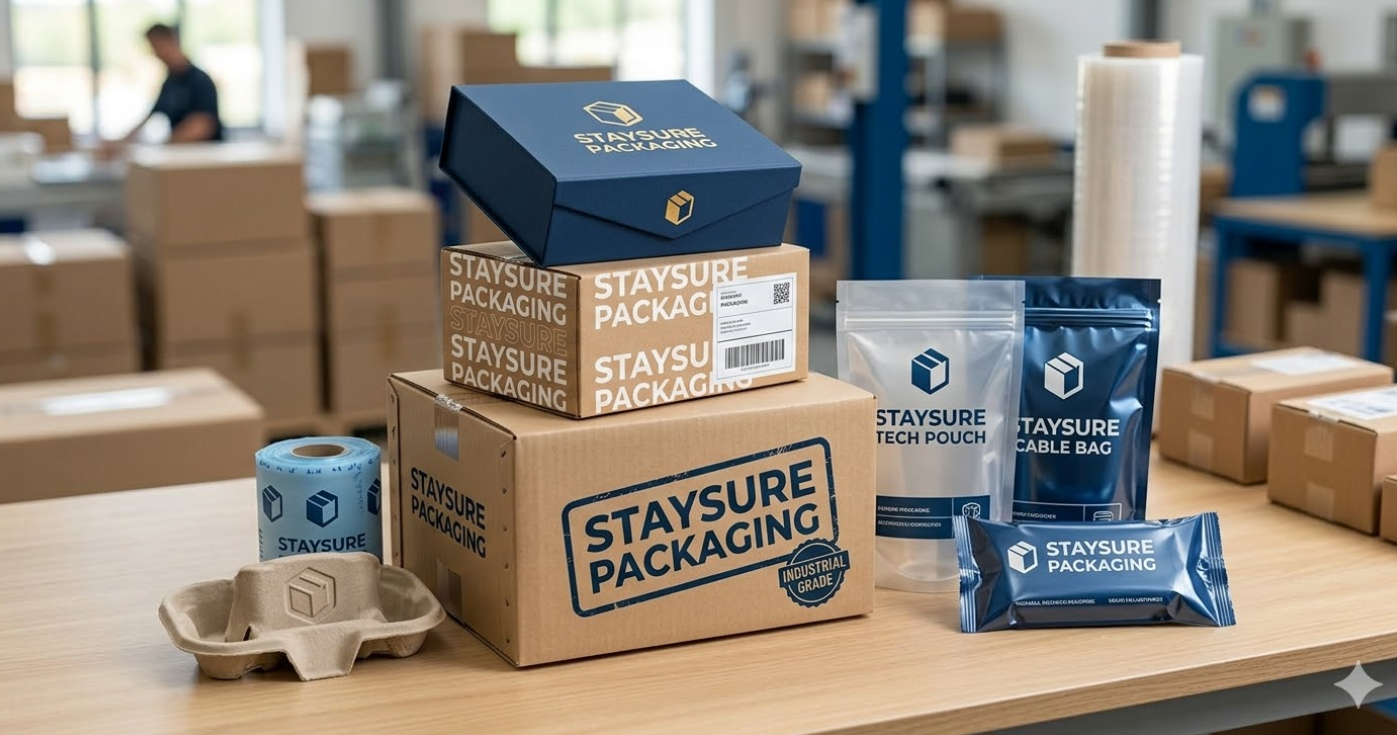
Packaging for soap is more than a wrapper. It shapes first impressions and guides buying decisions.
Well-made boxes tell a story about quality, ingredients, and care.
Overview
Custom soap box packaging means boxes designed for a specific brand. Sizes, artwork, materials, and finishes all match the product. Many brands choose branded custom soap boxes when they need a consistent identity across lines.
Packaging affects perception and purchase. Shoppers judge scent, price, and quality from the box alone. Clear labeling and attractive design guide choices.
Brands often aim for recognition, storytelling, and perceived value. Packaging ties those goals together into a single touchpoint with customers.
The Strategic Value of Custom Packaging for Soap Brands
Standing out matters when shelves are crowded. A unique box catches the eye amid similar offerings.
Consistency across SKUs builds trust. When labels, colors, and shapes align, customers spot your brand faster.
Unboxing can be shareable. A neat presentation encourages photos and social posts that spread brand awareness.
Premium features raise price perception. Thick stock, special finishes, and careful folding make soap feel upscale.
Key Design Elements that Elevate Branding
Logo placement and brand typography
Place the logo where the eye lands first. Keep surrounding space to avoid clutter. Use typography that matches your tone—clean for modern, serif for heritage.
Color psychology and brand color system
Color signals scent and mood. Soft pastels suggest floral or gentle scents. Deep greens imply natural or herbal ingredients.
Limit the palette to three primary colors. That keeps shelves readable and memorable.
Imagery and artwork that reflect scent, ingredients, and brand story
Use illustrations or photos that match the fragrance. A lemon image sets expectations better than vague abstract shapes.
Art can hint at origin, like a mountain sketch for alpine herbs.
Typography hierarchy for readability and shelf impact
Make the product name prominent. Secondary info should be smaller but legible. Avoid tight spacing that blurs at a glance.
Packaging shape and structure aligned with product size and handling
Boxes must fit bars snugly. Too loose, and the product shifts. Too tight, and customers struggle to open them.
Consider tuck flap, sleeve, or rigid styles for different handling needs.
Material Choices that Align with Brand Values
Paperboard and carton options
Single-wall boards are light and cost-effective. Double-wall adds strength for shipping. Rigid boxes give a luxury feel for premium lines.
Sustainability considerations
Recycled content and FSC certification matter to many buyers. Compostable options appeal to eco-conscious shoppers.
Choose materials that match your brand claims to avoid greenwashing risks.
Weight, durability, and protection vs. perceived value
Heavier stock often reads as premium. But retail and shipping costs rise with weight. Balance perception with practical needs.
Special textures and finishes
Soft-touch coatings feel luxurious. Linen or kraft textures signal artisanal quality. Pearlescent papers catch light and look elegant.
Inner packaging and inserts
Simple tissue wraps can add refinement. Embossed inner panels or custom inserts add protection and ceremony. Wrapping also protects prints from oils.
Printing, Finishing, and Tactile Branding
Print methods
Offset printing gives reliable color fidelity for large runs. Digital printing suits small batches and quick turns. Flexo works well on corrugated materials.
Finishes
Matte and gloss change how colors read. UV spot coatings highlight logos. Foil stamping and embossing add tactile contrast that customers remember.
Labeling vs. full-coverage printing
Labels are cost-effective for small runs and variant changes. Full-coverage printing looks cleaner but costs more for tooling and plates. Remember regional labeling rules when choosing.
Die-cutting, windows, and insert designs
Windows show the product and reassure buyers. Die-cut shapes can become brand signatures. Inserts control movement and protect delicate edges.
Brand Storytelling on the Box
Use clear language to describe scent profiles and ingredients. Simple notes like "bergamot, sea salt" help shoppers picture the scent.
QR codes can link to stories, tutorials, or refill programs. They add a digital layer without cluttering the layout.
Boxes can narrate heritage or handmade processes. A short line about origin often adds authenticity to the claim.
Layer messages so essential facts appear first. Aspirational copy can sit on the inner flap or back panel.
Regulatory and Compliance Considerations
List ingredients and potential allergens per local rules. Clear disclosure avoids complaints and legal risk.
Different countries have specific cosmetic and soap labeling standards. Check region-specific requirements before printing large runs.
Transit safety matters. Some markets require child-resistant closures for certain formulations. Plan for that in your dieline.
Barcodes, batch codes, and traceability fields help logistics and recalls. Include space for these elements on the box.
Sustainability and Consumer Perception
Eco-friendly packaging supports brand claims when honest. Consumers reward clear, verifiable practices.
End-of-life messaging guides proper disposal. A small icon and sentence improve recycling rates.
Refillable packaging can cut waste and encourage repeat purchases. Think about how customers store and reuse boxes.
Tell a lifecycle story: where materials came from and how to recycle them. Short, factual lines build trust.
Cost, Sourcing, and Production Timelines
Material type, print complexity, and finishes drive costs. Tooling and minimum order quantities add upfront expense.
Stock boxes are cheaper and faster. Custom boxes cost more but align with brand identity.
Lead times vary from days for stock to weeks for custom tooling. Allow time for color proofs and corrections.
Vet suppliers for reliability, certifications, and capacity. Ask for references and sample work.
Case Studies and Real-World Examples
Small-brand spotlight
A local maker swapped plain wrappers for printed boxes. Sales rose in boutiques due to clearer branding. The box helped justify a modest price increase.
Mid-tier brand
A mid-sized line rolled out a cohesive system across scents. Consistent placement and color coding eased restocking and helped customers pick favorites fast.
Premium brand
A luxury soap used rigid boxes and foil. Unboxing rituals grew into social shares. The perceived value matched higher price points.
Lessons learned and best practices
Start with a clear brief. Test prototypes early. Keep essential information legible at a glance.
Practical Implementation Guide
Step-by-step process from concept to final product
- Define brand goals and target customers.
- Choose materials and structure that fit product and budget.
- Create artwork and dielines with a designer or template.
- Order prototypes and test them in real conditions.
- Approve final proofs and start production.
How to brief a packaging designer or printer effectively
Provide barcodes, exact soap dimensions, and any regulatory text. Share color swatches and fonts. State target quantities and timeline.
Prototyping and testing
Run drop tests and humidity exposure checks. Confirm prints hold up to oils and rubbing. Check that the box presents well when opened.
Packaging optimization for e-commerce vs. in-store displays
For e-commerce, protect against crushing and abrasion. For retail, focus on shelf presence and quick brand recognition. Sometimes a secondary shipper box is required.
Refills, serialization, and inventory considerations
Plan for SKU variants with modular artwork or labels. Serialization can help with limited runs or collectables. Track inventory for different finishes separately.
Common Mistakes to Avoid
- Overcomplicating designs that reduce legibility or slow production.
- Mismatched branding across product lines that confuses customers.
- Underestimating shipping protection and risking damaged goods.
- Ignoring soap dimensions and ergonomics causing poor fit or waste.
Future Trends in Soap Box Packaging
Minimalist, sustainable designs keep gaining traction. Clean layouts and recycled papers resonate with shoppers.
Smart packaging features like NFC tags or QR-enabled experiences are emerging. They connect physical boxes to online content.
Limited-edition runs and personalized boxes create excitement and urgency. Brands test small runs to see what sticks.
Multi-use boxes that repurpose as storage or planters give an extra life to the packaging.
Conclusion
Custom soap boxes shape how customers feel about a product. Thoughtful design, the right materials, and careful messaging lift a brand above competitors. Small investments in testing, printing, and materials often pay back through higher perceived value and repeat purchases.
A simple checklist helps: define goals, pick materials, brief designers, test prototypes, and choose a reliable supplier. Those steps lead to packaging that supports brand growth.
FAQs
How much does a custom soap box cost?
Costs vary by materials, print, and quantity. Simple stock boxes cost less than rigid or foil-stamped options. Ask suppliers for tiered quotes.
What is the best material for sustainable soap packaging?
Recycled paperboard with low coatings is a common choice. Look for FSC certification and compostable inks for stronger sustainability claims.
Can I change designs for different scents without high costs?
Yes. Use full-coverage digital printing or labels for small runs. Digital short runs reduce tooling costs for multiple designs.
Do I need to list all ingredients on the box?
Labeling depends on region and product type. Many areas require key ingredients and allergen warnings. Confirm legal requirements before printing.
How should I test packaging for shipping damage?
Run drop tests and vibration simulations with sample packs. Also test humidity exposure and stacking pressure. Real-world trials reveal weak points.
What finish makes a box feel premium?
Soft-touch coating and foil stamping often read as premium. Textured papers like linen or pearlescent boards also add perceived value.

 English
 French
 Spanish
 Portuguese
 Deutsch
 Turkish
 Dutch
Dutch
 Italiano
 Russian
 Romaian
 Portuguese (Brazil)
 Greek
Greek
