


Bath Toys That Actually Help When Bath Time Turns Into a Battle
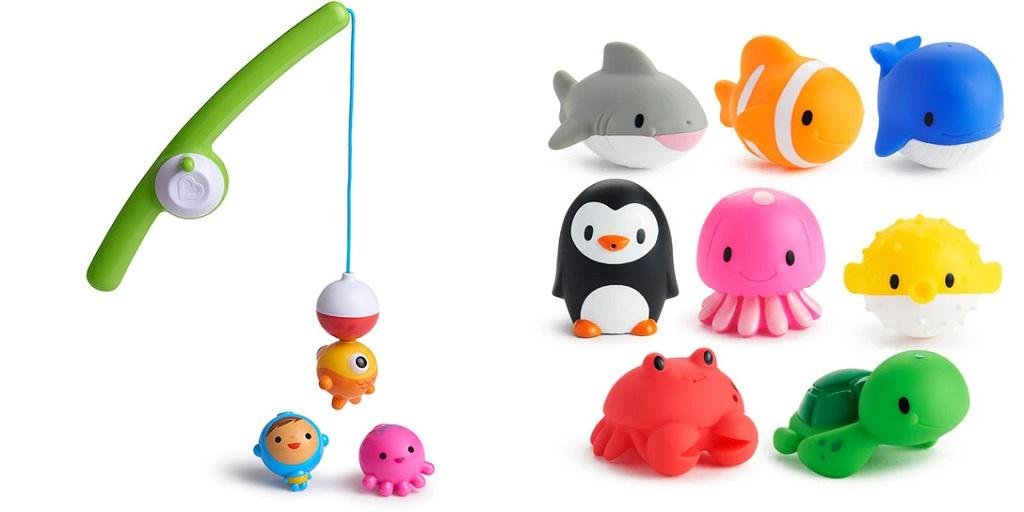
Bath toys can feel like an extra purchase until bath time turns into a full protest, and if you’re here, you’re probably in that phase right now. We’ve been there too. One week your baby loves the tub, the next week they’re arching their back, clinging to you, and acting like water is the enemy.
As a brand that designs products for real-life parenting moments, we think sensory bath toys aren’t just cute add-ons. They’re tools. And when bath time resistance shows up, the right tools matter.
Why Bath Time Resistance Occurs and the Role of Bath Toys
Bath time resistance is common between 8 months and 3 years. It doesn’t mean you’re doing anything wrong. It usually comes down to a few things:
- Developmental awareness
- Desire for control
- Sensory overload
- Fear of slipping or water on the face
Babies grow fast. Around 8 to 12 months, they start understanding separation and unpredictability. Water splashing unexpectedly can feel scary. Toddlers, on the other hand, are deep in their “I decide” era. Being placed into a tub they didn’t choose can feel like a loss of control.
This is where toys shift the dynamic.
Instead of bath time happening to them, bath time becomes something they participate in.
When Water Feels Big and Unpredictable, Baby Bath Toys Help
Water moves. It splashes. It pours. For a small child, that’s a lot of sensory input.
Effective tub toys redirect overwhelm into manageable focus. A spinning suction toy provides a stable focal point, and stack and pour cups give kids control over water movement.
Simple cause-and-effect play transforms bath time. When toddlers pour water and see expected results, they gain confidence and control, reducing fear.
Toys create safe experiments in a place that can otherwise feel overwhelming.
The Control Factor No One Talks About Educational Bath Toys
Toddlers resist when they feel powerless.
If bath time is just:
“Sit down.”
“Don’t stand.”
“Close your eyes.”
It becomes a string of commands. Add a few thoughtful toddler bath toys and suddenly the conversation changes:
“Can you fill this cup?”
“Let’s stick this to the wall.”
“Can you wash the duck?”
Now they have a role.
Involvement lowers resistance; they are doing, not just being managed. This small shift changes the routine's emotional tone.
Floating Bath Toys Help Ease the Hard Parts of Bath Time
Hair washing. Face rinsing. Soap near the eyes.
These are usually the tipping points.
The right toys create a moment of focused attention while you handle the quick but sensitive tasks. A floating character, a color-changing toy, or something that sprays gently can hold their eyes for just long enough.
When kids associate bath time with play instead of tension, those hard moments get easier over time.
Building Positive Associations Early with Mold-Free Bath Toys
Toys aren't just play, they create bath time fun and a sense of comfort.
Children build memories around repeated experiences. If bath time is consistently calm and playful, that becomes the expectation. If it’s consistently rushed and tense, that sticks too.
A few consistent toys that only live in the tub make bath time feel special. Predictable. Familiar.
That familiarity lowers anxiety.
Not All Bath Toys Are Created Equal
If you’re investing in bath toys, they should work for you, not create extra work.
Here’s what we believe matters:
Easy to Clean
Traditional squeeze toys with small holes can trap water. That can lead to mold, and no parent wants that surprise.
Look for sealed designs or toys that open fully for drying.
Designed for Little Hands
Toddlers need toys they can grip, pour, twist, and stick on their own. Fine motor development happens in small movements. Scooping water. Stacking cups. Turning a spinner.
Bath time can quietly support hand-eye coordination and problem solving.
Minimal Clutter
You don’t need a dozen toys.
Two to four versatile toys are often enough. A set of stack and pour cups. A suction toy for the wall. A floating character. Something interactive.
Simple works better than crowded.
When You’re Dealing With a Sudden Bath Strike
If your baby suddenly hates the tub, try this reset:
- Lower the water level
- Get in the bath with them if possible
- Introduce one new bath toy
- Let them explore before washing
- Don’t rush the first few minutes.
Buy Best Bath Toys for Babies
Munchkin design toys with one question in mind: Does this make parenting easier? Because that’s what you’re really looking for.
You want fewer tears, less wrestling, and more cooperation and calm. Bath toys aid in sensory and emotional development, fine motor skills, and routine, but above all, they help you.

 English
 Arabic
 French
 Spanish
 Portuguese
 Deutsch
 Turkish
 Dutch
Dutch
 Russian
 Romaian
 Portuguese (Brazil)
 Greek
Greek
