


Is Your Project Using The Correct Grade Of Welding Wire?
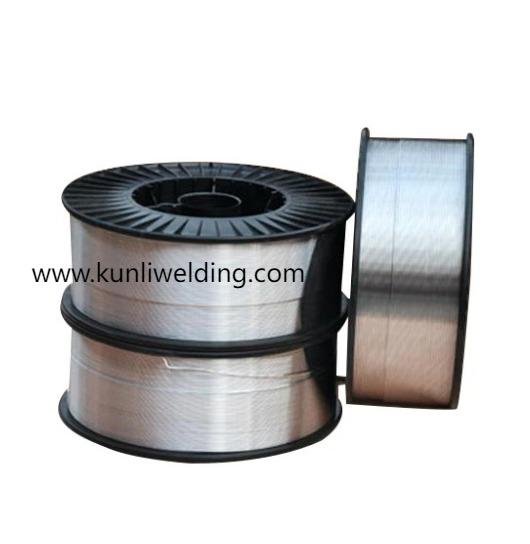
The demand for lightweight yet robust structural materials has shifted the focus of modern engineering toward high performance nonferrous alloys. In sectors where strength and weight are equally critical, utilizing Aluminum Welding Wire ER5087 has become a standard practice for creating durable connections. This specific filler metal is recognized for its high magnesium content, which provides a significant boost to the mechanical properties of the finished joint. Unlike general purpose alternatives, this alloy is formulated to meet the rigorous demands of heavy industrial fabrication where structural failure is not an option.
The primary appeal of this material lies in its chemistry. By incorporating small amounts of zirconium and other stabilizing elements, the filler offers improved resistance to hot cracking during the solidification process. This is particularly important when welding thick plates or complex geometries that experience high levels of thermal stress. The presence of these elements helps refine the grain structure of the weld metal, resulting in a joint that is less prone to fatigue over time. Fabricators working on large scale infrastructure projects often rely on these specific properties to ensure that their assemblies can withstand constant vibration and mechanical loads.
One of the most prominent sectors utilizing this technology is the marine industry. Vessels operating in open water are subject to continuous exposure to corrosive elements. Standard metals would quickly degrade under such conditions, but high magnesium alloys paired with the correct filler provide a resilient barrier against saltwater corrosion. By maintaining the chemical balance of the base metal through the welding process, this wire ensures that the entire structure retains its protective qualities. This prevents the weakening of hulls and support structures, which is essential for the longevity of maritime transport.
Beyond the sea, the transport and storage of chemicals and gases require materials that can handle internal pressure and environmental changes. Pressure vessels and large storage tanks often utilize this grade of wire because of its ability to maintain ductility at low temperatures. In many storage applications, materials become brittle as temperatures drop, but this specific alloy remains stable, providing a safety margin for the containment of hazardous substances. The consistency of the arc and the fluidity of the molten puddle also allow for cleaner, more uniform beads, which simplifies the inspection process for pressurized systems.
In the realm of commercial transportation, the push for fuel efficiency has led to the widespread adoption of aluminum frames for trailers and heavy duty trucks. These structures must be rigid enough to carry massive loads while being light enough to reduce energy consumption. Using a high strength filler metal allows designers to use thinner sections of base metal without compromising the overall safety of the vehicle. This balance between weight reduction and structural capability is a driving force behind the continued development of advanced welding consumables.
Technical proficiency in the shop also benefits from the use of specialized wires. Operators find that the feeding characteristics are more predictable, which reduces downtime caused by equipment jams or arc instability. A stable welding process leads to fewer repairs and a lower overall cost of production. As automation becomes more prevalent in large factories, the need for consistent material performance grows even more vital. Robotic systems require filler metals that flow predictably and produce consistent penetration every time they strike an arc.
Selecting the appropriate material for a specific job is more than a technical requirement; it is a commitment to quality and safety. Whether the project involves building a high speed ferry or a massive chemical silo, the choice of filler rod serves as the literal bond that holds the vision together. Maintaining high standards in material selection ensures that modern infrastructure remains safe for public use and industrial operation. For those involved in high stakes fabrication and seeking reliable materials, browsing the options at https://www.kunliwelding.com/product/ provides access to the necessary tools for success. Adopting these advanced alloys into your workflow will ensure that every joint you create is prepared for the challenges of a demanding environment.

 English
 Arabic
 French
 Spanish
 Portuguese
 Deutsch
 Turkish
 Dutch
Dutch
 Italiano
 Russian
 Portuguese (Brazil)
 Greek
Greek
