


Where to Find a Philadelphia Food Bank and How to Get Involved
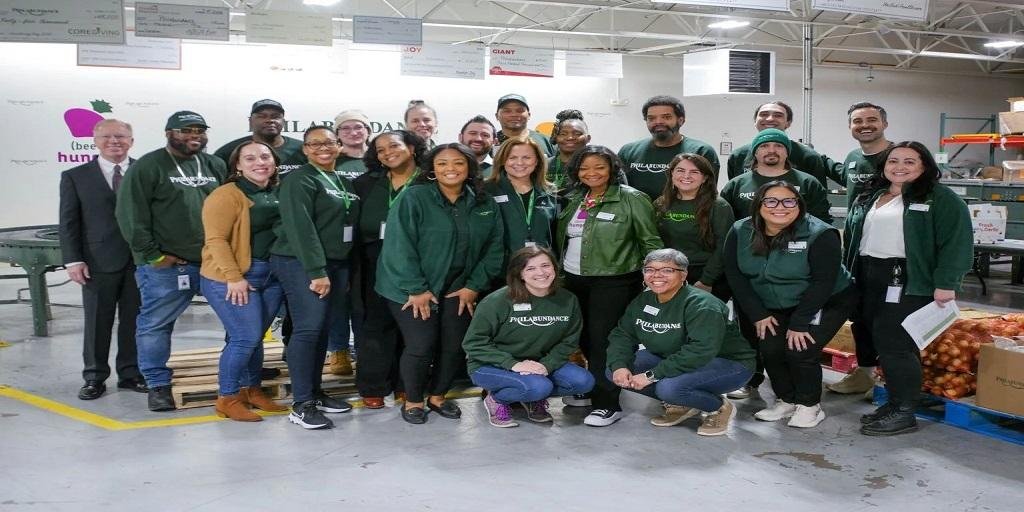
If you are searching for a charity, it usually comes from a desire to help in a real, tangible way. You may be curious about how your donations, time, or efforts can truly create a difference. Partnering with a Philadelphia food bank is a practical way to help.
In a region where nearly 700,000 people face food insecurity, local food banks help support communities. There are clear, accessible ways for you to be part of that effort.
How Food Banks Make Your Help Go Further
A Philadelphia food bank works behind the scenes to collect, organize, and distribute food across a wide network of community partners. That includes schools, shelters, neighborhood centers, and other trusted local spaces.
What this means for you is simple: when you contribute, whether through time or money, your support is multiplied. Food doesn’t just go to one place. It reaches hundreds of distribution points, helping it get closer to the people who need it.
Another important part of this work is food rescue. These programs redirect perfectly good food from grocery stores, farms, and suppliers. This ensures it is used instead of being wasted. Your support helps keep that system running efficiently, turning surplus into meals.
Where to Start If You Want to Help
If you’re ready to get involved, the first step is finding a food bank that serves your area or aligns with your values. A quick search can point you to organizations with active programs, volunteer opportunities, and clear ways to contribute.
From there, you can choose what fits best into your routine. Some people prefer one-time involvement, while others enjoy making it a regular commitment. You don’t need a complicated plan. Even small, consistent actions can add up quickly.
Ways You Can Make a Real Impact
There isn’t just one way to support a Philadelphia food bank, and that flexibility makes it easier to get started.
Donations are one of the most direct ways to help. Financial contributions allow food banks to purchase exactly what’s needed and respond quickly to demand. For example, a $50 donation can help provide up to 100 meals, which shows how far a single action can go.
Volunteering is another option if you want a more hands-on experience. You might help pack food boxes, sort donations, or prepare meals in a kitchen setting. These are the kinds of tasks that keep daily operations moving and ensure food gets out the door efficiently.
You can also support food rescue efforts. Drivers recover surplus food from various locations. This process supports the systems, making redistribution possible. It’s a practical way to reduce waste while increasing access.
Advocacy is another meaningful path. Sharing information, supporting local initiatives, or speaking up about food access can help bring more attention to the issue and encourage others to step in as well.
Supporting Something That Lasts
Many food banks also invest in long-term solutions, including workforce development programs. Culinary training and life skills education help individuals build stability and access new opportunities.
When you support these efforts, you’re helping create pathways that strengthen communities over time.
If you’re looking for a place to start, Philabundance offers several ways to get involved. Whether you choose to donate, volunteer, or support their programs in another way, your action can help ensure more people have access to the food they need.
For more information about Food Rescue Us and Tuesday Giving Please visit: Philabundance.

 Arabic
 French
 Spanish
 Portuguese
 Deutsch
 Turkish
 Dutch
Dutch
 Italiano
 Russian
 Romaian
 Portuguese (Brazil)
 Greek
Greek
