


Could Forcing a Gas Cartridge Onto Your Stove Be Dangerous?
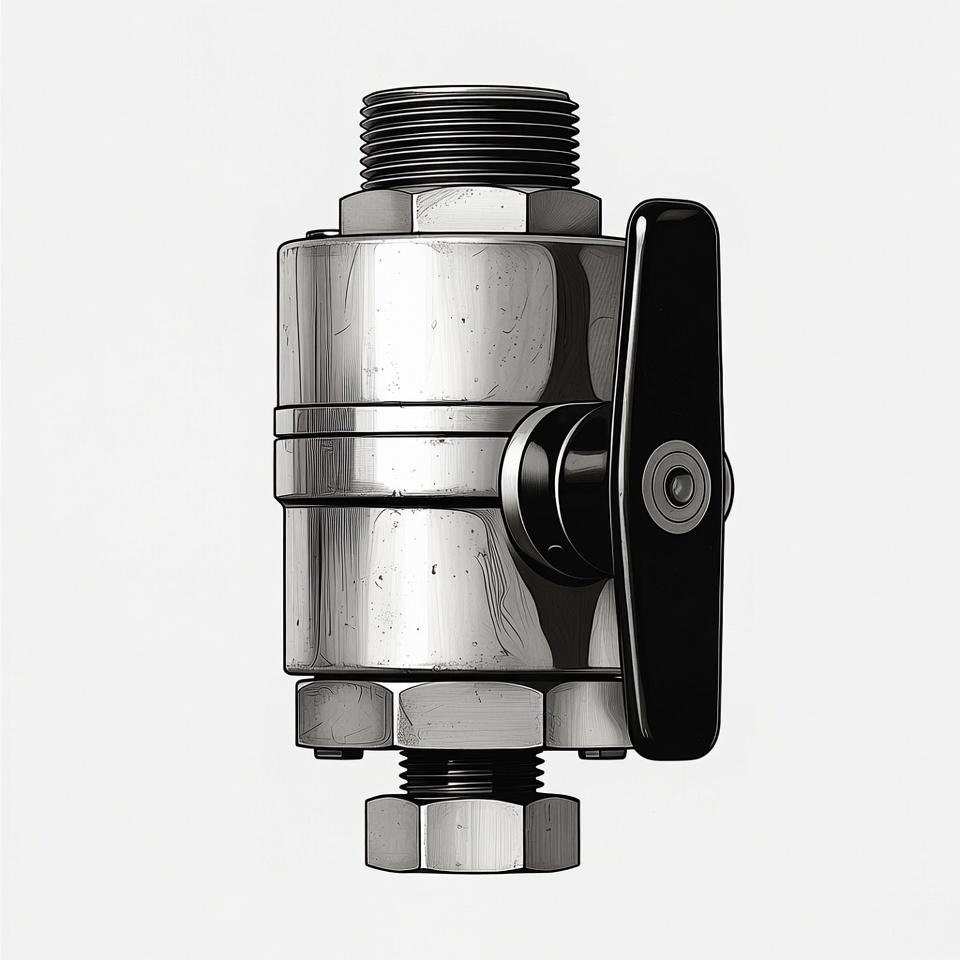
Pack a tent, grab a sleeping bag, toss in a stove. The gas cartridge? It goes in the bag without a second thought. Yet that small threaded connection between cartridge and burner is quietly doing some of the heaviest safety work in your entire kit. At the heart of that connection sits an EN417 Valve standard, a set of engineering specifications governing thread pitch, seal geometry, and pressure behavior. Most users never think about it. That is precisely why it is worth understanding.
More Than Just a Thread
Here is something that surprises a lot of people: the threading on a gas cartridge is not just about holding things together. The entire system is designed so that the valve opens in a controlled, measured way as the cartridge seats properly, and closes again the moment you unscrew it. No fiddling, no manual shutoff required. When both the cartridge and the stove follow the same specification, this handshake happens seamlessly. The gas flows. The seal holds. You cook your meal.
What makes this elegant is also what makes it fragile. The mechanism depends entirely on precise dimensional matching. A thread that is even slightly off pitch, a valve stem that sits a fraction too high or too low, and the whole system fails to perform as designed. Not dramatically, necessarily. Sometimes the failure is subtle: a slow seep of gas, a seal that holds at room temperature but loosens in the cold.
The Problem With "Close Enough"
Walk through any outdoor gear shop and the variety is striking. Cartridges from different regions, stoves with different connector styles, adapters promising universal compatibility. It looks like a solved problem. It is not.
Some cartridges use a puncture style connection rather than a threaded interface altogether. Others carry threading that resembles the standard but diverges in ways invisible to the naked eye. A buyer holding two cartridges side by side might see no meaningful difference. The valve geometry tells a different story.
This is where things get genuinely risky. Someone forces a cartridge that does not quite fit, applies a little extra torque, and convinces themselves the seal feels solid. Maybe it holds. Maybe it holds long enough for a weekend trip. But the engineering tolerance that makes the valve safe was never engaged, and what feels like a secure connection is actually a slow countdown. Temperature swings accelerate the problem. Repeated use compounds it.
Why Force Is Never the Answer
Outdoor people are problem solvers by habit. A stuck zipper, a broken pole, a stubborn knot, these things get fixed in the field through patience and ingenuity. Gas connections are different. There is no improvising your way around a mechanical mismatch here. The safety function built into a compliant valve cannot be replicated by applying extra pressure or wrapping threads in tape.
When a connection does not seat naturally, that resistance is information. The components are telling you something. Ignoring that signal and pushing through is not resourcefulness. It is a gamble with the kind of stakes that ruin trips at minimum, and cause serious harm at worst.
Picking Equipment You Can Actually Trust
The practical answer is simple, even if the underlying engineering is not. Buy cartridges and stoves from manufacturers who are transparent about the standards their products meet. When the components in your kit are built to the same specification, compatibility is not something you have to reason through or hope about. It is built in.
Bluefire takes that approach seriously, producing cartridges engineered to established valve specifications so that the connection works the way it is supposed to, every time. No guesswork involved. For campers, hikers, and anyone who relies on portable gas equipment in the field, that kind of clarity matters more than most people realize until it does not. You can browse the full Bluefire range at https://www.bluefirecans.com/ .

 English
 Arabic
 French
 Spanish
 Portuguese
 Deutsch
 Turkish
 Italiano
 Russian
 Romaian
 Portuguese (Brazil)
 Greek
Greek
