


Oil-Free vs Oil-Injected Mini Air Compressor Options
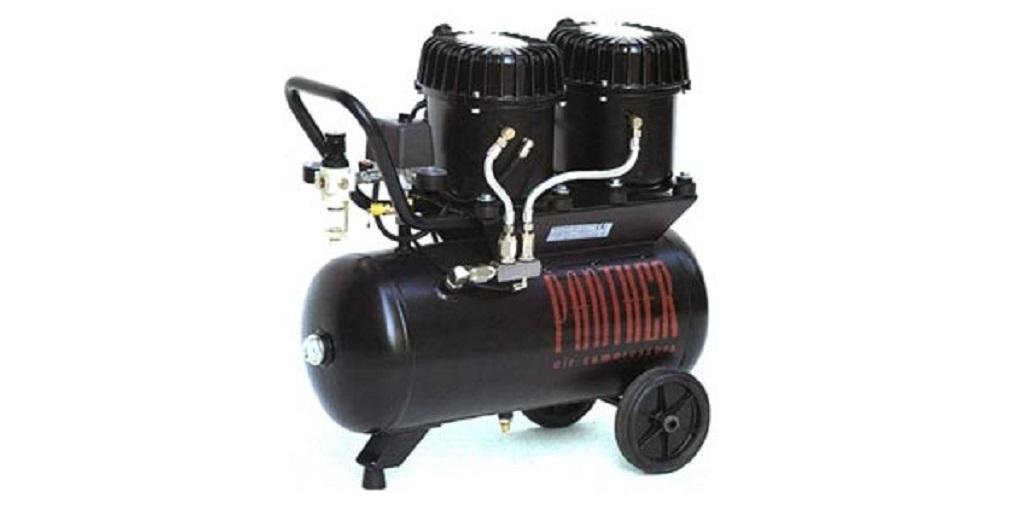
Choosing the right mini air compressor comes down to understanding how it will be used and what type of performance you expect. The two main types—oil-free and oil-injected—each serve different needs. Knowing the differences helps you avoid buying a unit that does not match your workload.
Why the Mini Air Compressor Stands Out
A mini air compressor is built for portability and convenience. These small units are commonly used for tire inflation, sports equipment, airbrushing, and hobby work. Some can run light-duty pneumatic tools. They save space, reduce weight, and cost less than larger shop compressors.
While they are not designed for continuous heavy use, the mini air compressors are valuable when a quick, on-the-go air supply is needed. The choice between oil-free and oil-injected models depends on whether you need clean air and low maintenance or durability and long service life.
Oil-Free Mini Air Compressors
Oil-free compressors use friction-reducing materials like Teflon on moving parts to avoid the need for lubrication.
- Clean air delivery makes them a good match for painting, airbrushing, or medical tools.
- Lighter weight makes them easy to move and store.
- No oil changes or checks mean lower maintenance costs.
- Quieter operation compared to many oil-injected models.
- Shorter lifespan due to wear on friction coatings.
These compressors fit best in light-duty, precision-focused work where air quality is important. If you want a portable unit that is simple to run and maintain, oil-free is usually the better choice.
Oil-Injected Mini Air Compressors
Oil-injected compressors use oil to lubricate and cool moving parts.
- Extended life span due to reduced wear and heat.
- Higher duty cycles that allow for longer run times.
- More durable construction, suited for demanding work.
- Requires routine oil checks and changes.
- Air may contain oil traces, which means filters may be needed in sensitive applications.
These models are heavier and less portable, but they handle tougher workloads. If you expect to use your compressor often and for long stretches, an oil-injected design will last longer and operate more reliably.
Choosing Between Oil-Free and Oil-Injected
The decision depends on your priorities:
- Go with oil-free if you want clean air output, less maintenance, and maximum portability.
- Go with oil-injected if you value durability, expect longer usage times, and do not mind regular servicing.
Both types of mini air compressors have a role. For professionals using air tools in tight spaces or on job sites, oil-injected models deliver reliability. For hobbyists, DIY users, or technicians working with paint or electronics, oil-free models reduce hassle.
Key Considerations Before Buying
Before investing in a mini air compressor, review these factors to match your choice to your workload.
Start with the CFM rating and make sure the airflow meets the demands of your tools. Many mini units range between 0.5 and 3 CFM, which is enough for small tasks.
Check the PSI capacity of the unit to ensure it fits your needs. Most mini compressors handle 100 to 150 PSI, which is suitable for tires and basic tools.
Look at the tank size, since this affects airflow stability. Tankless models work fine for inflation, but small tanks of 1 to 3 gallons provide smoother performance for airbrushing.
Pay attention to the noise level, as this impacts comfort in use. Oil-free compressors often run quieter, but ratings vary widely from 40 dB to 70 dB.
Think about maintenance requirements before making a decision. Oil-injected compressors require routine servicing, while oil-free models eliminate that need.
Reviewing these specifications helps you avoid overspending while ensuring the compressor performs as expected.
The mini air compressor has become a practical tool for both professionals and hobbyists. The choice between oil-free and oil-injected models comes down to air quality needs, maintenance preferences, and duty cycle requirements.
For more information on mini air compressors and other compressed air solutions, visit Air & Vacuum Process, Inc. online.
For more information about Regenerative Desiccant Air Dryer and Natural Gas Dehydration Unit Please visit: Air & Vacuum Process Inc.

 English
 Arabic
 French
 Spanish
 Portuguese
 Deutsch
 Turkish
 Italiano
 Russian
 Romaian
 Portuguese (Brazil)
 Greek
Greek
