


Should Kunliwelding ER5356 be your standard filler for marine structural panels
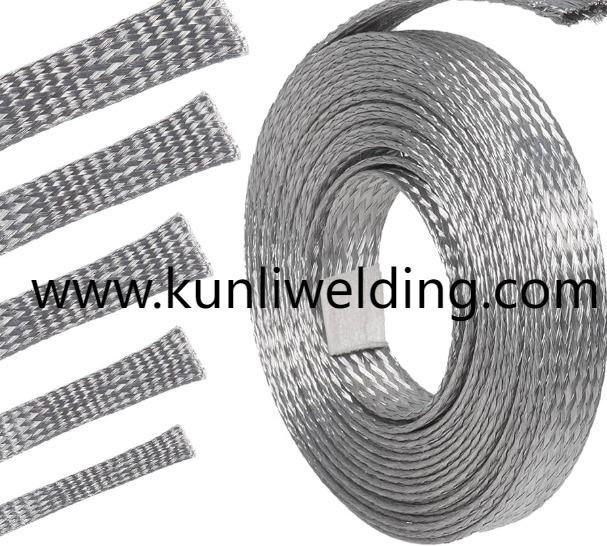
When teams evaluate filler choices for structural and transport applications, aluminum alloy selection often comes down to matching performance and weldability, which is why Aluminum Welding Wire ER5356 regularly appears on material lists for fabrication trials. Comparing it to ER5556 helps fabricators choose the right filler for the job because each wire brings different alloy balance and handling traits that change how the weld behaves and how the finished assembly performs in service.
ER5356 is often selected for its balanced approach to weldability and mechanical performance. Welders appreciate a filler that feeds predictably, produces a calm puddle, and yields deposit properties that suit many structural and marine tasks. That combination makes it a go-to when teams need dependable fusion and manageable finishing on sheet and plate work. Fabricators working on lighter transport structures or coastal assemblies frequently specify this filler when they need reasonable ductility with steady shop behavior.
ER5556, by contrast, is formulated with an eye toward higher as welded strength and is sometimes used where designers want a greater margin in tensile response after welding. That added strength can be valuable in components subjected to higher static loads or where local stress concentration is a concern. The trade off is that the wire's behavior in the puddle and its finishing characteristics may differ, so welders should verify how it responds on their equipment before committing to larger runs.
Choosing between these fillers depends on several practical factors beyond metallurgy. Consider the joint type, thickness, and the expected service environment. For thin gage panels where surface finish and minimal distortion are priorities, lighter heat input and gentle puddle control are useful. Where load carrying and fatigue resistance dominate, a filler with higher deposit strength can reduce required weld size or give designers more margin. In all cases, short shop trials reveal how each filler interacts with your machines, shielding practice, and travel technique.
Supply continuity and traceability are increasingly important in procurement decisions. Projects that must demonstrate provenance or that operate under public scrutiny need suppliers who document lot composition and who protect spools during transit. Sealed packaging, clear handling guidance and accessible production notes reduce the risk that a reel will arrive compromised or that a change in feed behavior will slow qualification. When time to production is tight, that documentation shortens review cycles and lowers the chance of last minute substitutions.
Operator technique and equipment setup often determine whether a chosen filler does well in production. Proper spool handling, matched liner and drive roll selection, and verified shielding all contribute to steady arc behavior. Training crews on how an alloy's puddle looks and feels keeps bead appearance consistent and reduces rework. Many manufacturers provide recommended starting parameters and trial reels so shops can find workable settings quickly on their actual feeders and torches.
Environmental exposure and finishing needs also shape the decision. If assemblies will see coastal atmospheres or aggressive service, pick a filler whose corrosion performance matches the intended protection scheme. If visible panels require minimal touch up, test how each filler reacts to the planned surface treatment. Calibration between design teams and welding technicians during early trials prevents surprises during installation and inspection.
In practical terms, the right approach is to run representative trials, compare puddle response and deposit appearance, and review supplier documentation before deciding. Both ER5356 and ER5556 have clear roles depending on performance goals and shop realities. By balancing deposit properties, handling traits and supply chain transparency, teams can select the filler that reduces rework and aligns with project timelines and inspection needs. For product details, handling guidance and supplier notes about aluminum welding wire options visit the manufacturer pages at www.kunliwelding.com .

 English
 Arabic
 French
 Spanish
 Portuguese
 Deutsch
 Turkish
 Italiano
 Russian
 Romaian
 Portuguese (Brazil)
 Greek
Greek
