


Shangfeng 200 Amp Plug and Socket Mechanical Fit and Load Testing Procedures
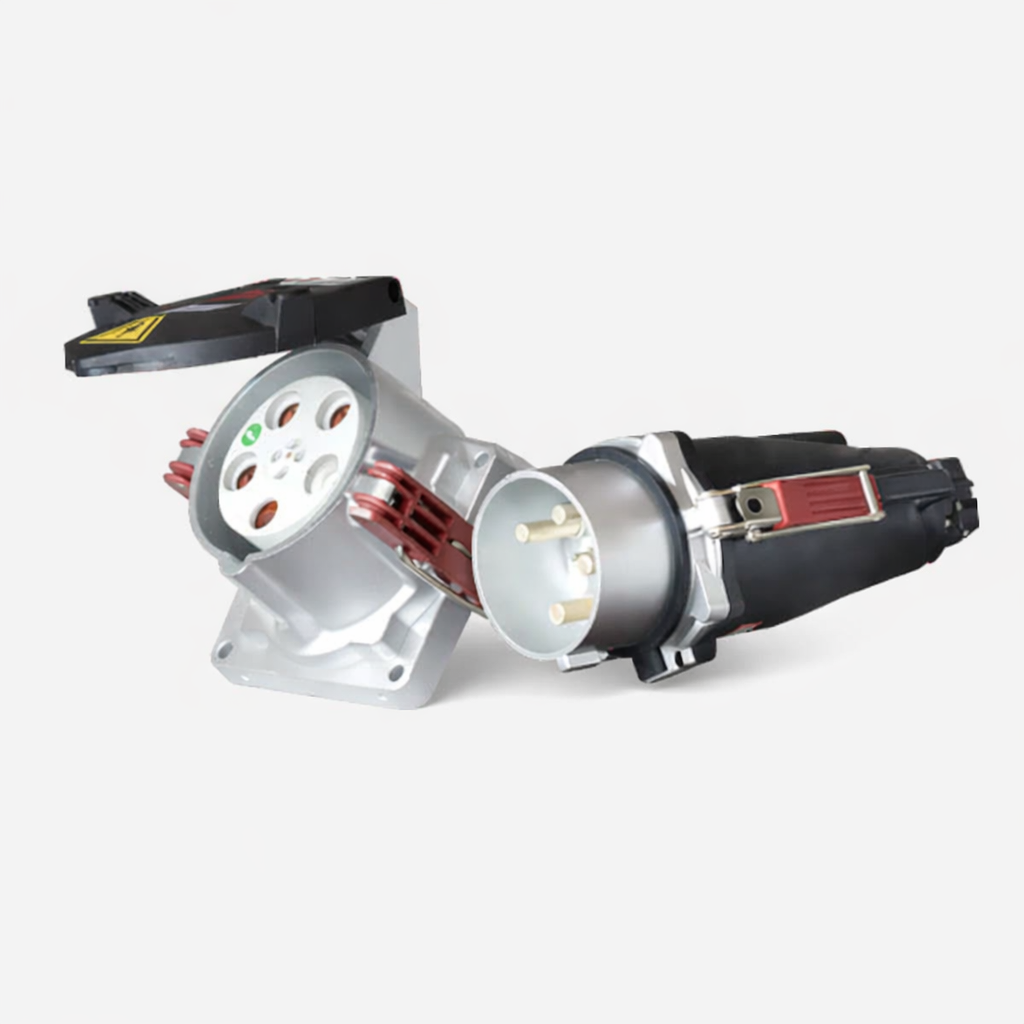
The 200 Amp Plug and Socket is widely used in industrial power systems where stable high-current transmission is required. To ensure safe and reliable operation, proper testing and inspection methods are necessary before and during use. Understanding how to evaluate its condition helps reduce unexpected interruptions and supports consistent performance in demanding environments.
One of the primary inspection methods is a detailed visual check. Technicians examine the housing for cracks, deformation, or signs of overheating such as discoloration. The locking mechanism should engage smoothly without excessive force. Any visible wear on the contact pins may indicate long-term stress or poor alignment during previous connections. These initial observations provide a quick indication of whether further testing is required.
Contact resistance testing is another key method used in professional environments. Using specialized instruments, technicians measure the resistance at connection points. Higher-than-normal resistance can indicate loose terminals, oxidation, or internal wear. Since industrial systems rely on stable current flow, even small variations in resistance can affect performance. Regular measurement helps identify early-stage issues before they develop into operational disruptions.
Insulation resistance testing is also commonly applied. This method evaluates the condition of insulating materials within the plug and socket assembly. A test voltage is applied between conductors and the protective earth path to verify that leakage current remains within acceptable levels. If insulation performance drops, it may suggest aging materials, moisture exposure, or contamination inside the housing. Addressing these conditions early helps maintain system stability.
Thermal imaging is another practical diagnostic approach. During operation, electrical connections naturally generate heat, but uneven temperature distribution can signal underlying issues. Infrared cameras allow technicians to identify hot spots around terminals or contact points. Elevated temperatures often correlate with loose connections or increased resistance, making thermal inspection a valuable preventive tool in routine maintenance schedules.
Mechanical engagement testing also plays an important role. The connection between plug and socket should be firm and stable once fully inserted. Technicians verify that the locking system holds securely under vibration or light movement. In industrial environments where machinery operates continuously, even slight looseness can lead to intermittent contact and fluctuating power delivery. Proper mechanical fit supports consistent electrical performance.
Load testing under controlled conditions provides further confirmation of reliability. Equipment is operated at expected working currents while monitoring voltage stability and connection behavior. Any irregular fluctuations may indicate hidden faults in the connector system. This step is typically performed after initial inspections to ensure the system performs correctly under real operating conditions.
Environmental assessment is also necessary when evaluating industrial connectors. Dust, moisture, and chemical exposure can gradually affect performance. Inspectors check sealing components such as gaskets and cable glands for integrity. Proper sealing helps prevent contamination from entering the connection area, which is essential for maintaining long-term reliability in outdoor or factory settings.
Documentation review is often included in professional inspection routines. Maintenance records help track usage cycles, previous repairs, and replacement history. By analyzing this information, technicians can estimate wear patterns and plan maintenance activities more effectively. Consistent record-keeping supports better decision-making regarding continued use or component replacement.
Training and operational procedures also influence the reliability of inspections. Personnel responsible for handling the connector should follow standardized steps for connection, disconnection, and testing. Proper handling reduces mechanical stress and helps maintain stable contact conditions over time. Clear guidelines also reduce variation in inspection quality across different teams.
When combined, these testing and inspection methods provide a structured approach to evaluating industrial connectors. Each method focuses on a different aspect of performance, from electrical behavior to mechanical stability and environmental resistance. Together, they help ensure that systems remain stable under continuous operation.For more information on industrial connectors and technical guidance on selection and maintenance practices, visit https://www.socketsfe.com/

 English
 Arabic
 French
 Spanish
 Portuguese
 Deutsch
 Turkish
 Dutch
Dutch
 Russian
 Romaian
 Portuguese (Brazil)
 Greek
Greek
