


What to expect during breast augmentation recovery
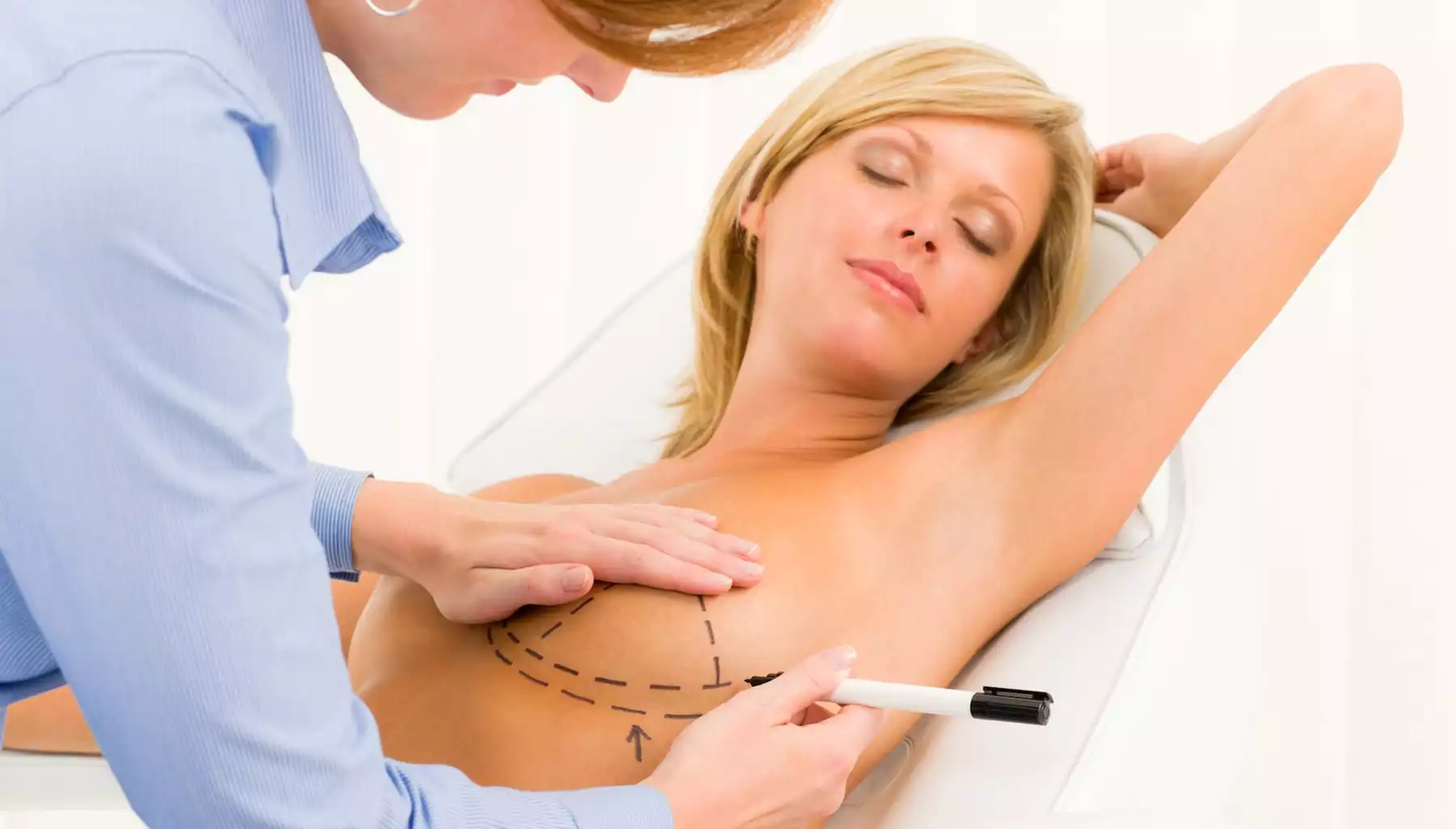
Breast augmentation is a transformative procedure, but understanding the recovery process is essential for achieving optimal results and minimizing complications. Recovery involves a combination of physical healing, post-operative care, and adjustments to daily routines. Being prepared for what to expect allows patients to plan appropriately and promotes a smoother, more comfortable experience after surgery.
Immediate Post-Operative Period:
The first 24–48 hours after breast augmentation are crucial for initial healing. During this time, patients can expect:
- Mild to moderate pain or discomfort: Often managed with prescribed pain medication
- Swelling and bruising: Common around the breasts and upper chest area
- Bandages or surgical dressings: To protect incisions and support the implants
- Drainage tubes (if used): Typically temporary and removed within a few days
Patients are usually advised to rest and avoid strenuous movements during this period to support healing.
Wearing Support Garments:
Supportive garments play a key role in recovery. Recommendations typically include:
- Surgical bras or compression garments: Worn continuously for the first few weeks
- Proper fit: Ensures implants stay in position and minimizes swelling
- Gradual transition to regular bras: Typically after 4–6 weeks, depending on surgeon instructions
Wearing these garments as directed helps promote proper implant positioning and comfort.
Managing Pain and Swelling:
Post-operative pain and swelling are normal, but can be managed effectively:
- Pain medication: Taken as prescribed to maintain comfort
- Cold compresses: Help reduce swelling and discomfort
- Elevating the upper body while resting: Minimizes fluid accumulation and pressure on the chest
- Gentle movement: Short walks can support circulation without straining the surgical area
Proper pain and swelling management supports healing and reduces risk of complications.
Activity Restrictions:
During recovery, certain activities should be limited to avoid strain or injury:
- Avoid lifting heavy objects: Typically for 4–6 weeks
- Limit upper body exercises: Chest, shoulder, and arm workouts should be paused
- Avoid sleeping on your stomach: First few weeks to prevent pressure on implants
- Gradual return to normal activities: Based on surgeon guidance
Following these restrictions ensures safe recovery and reduces the likelihood of implant displacement or complications.
Incision Care and Monitoring:
Incision care is essential to prevent infection and promote proper healing:
- Keep incisions clean and dry: Follow surgeon’s cleaning instructions
- Avoid applying creams or ointments unless prescribed
- Monitor for signs of infection: Redness, increased pain, or unusual discharge should be reported
- Attend follow-up appointments: Allow your surgeon to assess healing progress
Proper care of incisions minimizes scarring and supports overall aesthetic results.
Recovery Timeline:
While recovery varies for each patient, general milestones include:
- First week: Most swelling, bruising, and discomfort peak
- Weeks 2–4: Swelling begins to decrease, pain subsides, and daily activities can gradually resume
- Weeks 4–6: Most patients can return to work and light exercise
- After 6 weeks: Upper body workouts and more strenuous activities can usually resume
- 3–6 months: Implants settle into their final position, and results start to appear natural
Understanding this timeline helps patients set realistic expectations for recovery and results.
Long-Term Recovery Considerations:
Full recovery extends beyond the initial weeks. Important long-term aspects include:
- Monitoring implant position and appearance: Implants may settle or shift slightly over months
- Scar maturation: Incision scars may take up to a year to fade completely
- Regular check-ups: Annual or periodic visits ensure implant integrity and breast health
- Lifestyle adjustments: Maintaining stable weight and practicing good posture supports long-term results
Being proactive during long-term recovery ensures the best aesthetic outcomes and implant longevity.
Final Thoughts:
Breast augmentation recovery is a gradual process that requires careful attention to post-operative care, activity limitations, and incision management. Patients can expect initial swelling, bruising, and mild discomfort, followed by gradual improvement over several weeks. Wearing supportive garments, following activity restrictions, and attending follow-up appointments are essential for a smooth recovery. By understanding what to expect during each stage, patients can optimize healing, protect their implants, and enjoy the full benefits of their breast augmentation results.

 English
 Arabic
 Spanish
 Portuguese
 Deutsch
 Turkish
 Dutch
Dutch
 Italiano
 Russian
 Romaian
 Portuguese (Brazil)
 Greek
Greek
