


Key Factors in Selecting Conductive Polymers
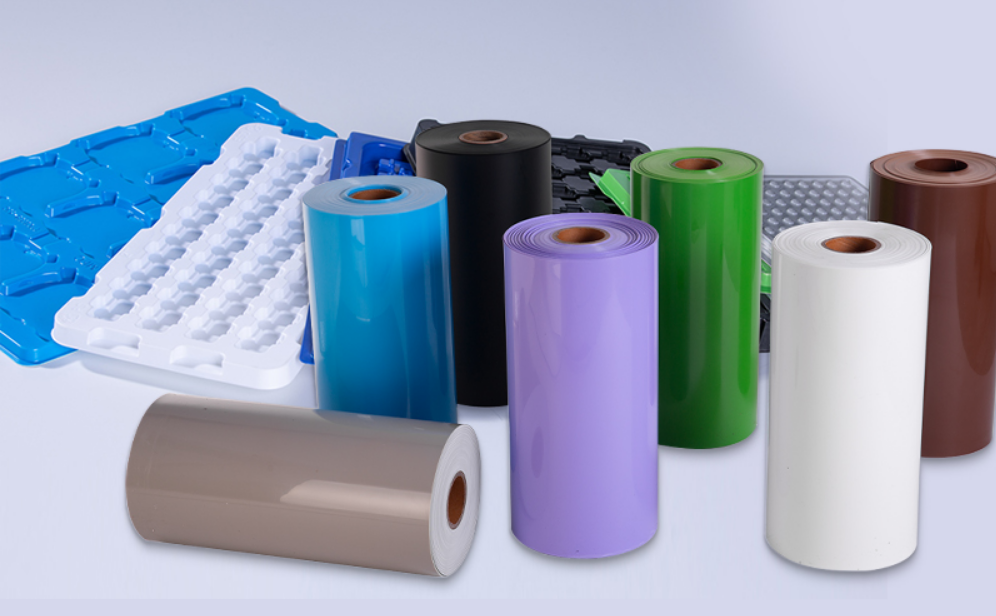
Polypropylene-based conductive materials, such as PP Black Conductive, offer a combination of durability, chemical resistance, and controlled electrical properties. These characteristics make them versatile in both industrial and laboratory applications. A PP Conductive Sheet typically contains a carefully measured percentage of carbon black or other conductive fillers to achieve surface resistivity between 10³ and 10⁶ ohms per square.
The processing of these sheets is straightforward. They can be extruded, molded, or thermoformed into custom sizes without significant loss of conductivity. Thickness variations from 0.5 mm to 5 mm are common, providing flexibility for different structural and protective applications. The sheets also demonstrate excellent resistance to common solvents, cleaning agents, and oils, which ensures longevity even in challenging environments.
Mechanical properties such as tensile strength and impact resistance are also notable. Depending on the filler content, PP Black Conductive sheets maintain high tensile strength and flexibility, reducing breakage during handling. This makes them suitable for protective barriers, trays, and housings that need to sustain frequent movement or minor mechanical stress.
Finally, environmental factors are considered in design and application. Polypropylene is inherently recyclable and lightweight, which supports both cost efficiency and sustainability goals. The combination of electrical conductivity, chemical resistance, and mechanical stability makes PP Conductive Sheet an attractive material for diverse industrial uses.

 English
 Arabic
 French
 Spanish
 Portuguese
 Deutsch
 Turkish
 Dutch
Dutch
 Italiano
 Russian
 Romaian
 Portuguese (Brazil)
