


Air Compressor Energy Efficiency Tips
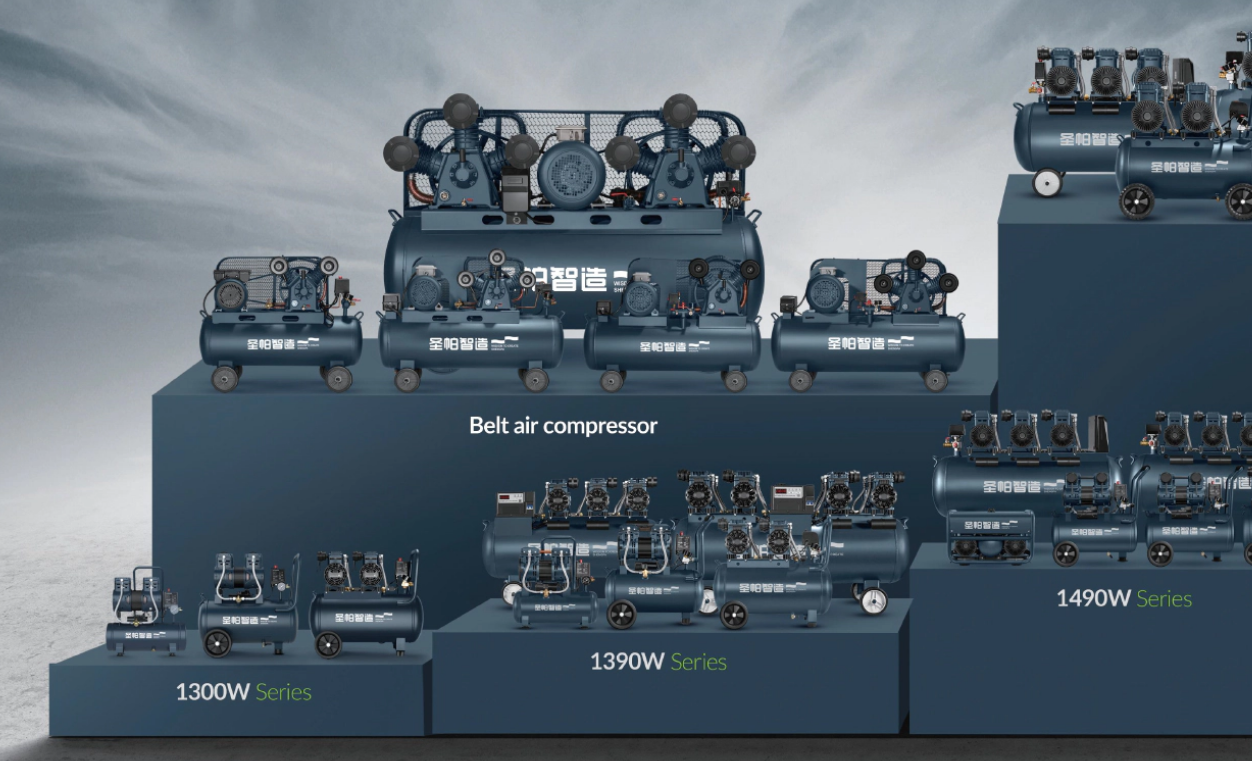
Energy consumption is a key consideration for anyone operating air compressors. In workshops and small industrial facilities, energy costs can quickly become significant if the system is not optimized. A Belt Driven Air Compressor can provide some advantages in energy management. The belt system allows the motor to run at its preferred speed while adjusting pump speed to match air demand. This variable operation can help reduce wasted energy during partial-load operation.
In contrast, a Direct Driven Air Compressor has a one-to-one connection between the motor and pump. While simpler in design, this can lead to constant motor speed regardless of air demand, which may result in slightly higher energy consumption in applications with fluctuating air needs. However, the reduced mechanical complexity and absence of belts mean less energy is lost through friction and maintenance downtime.
Optimizing energy use also involves monitoring pressure settings, maintaining clean filters, and avoiding leaks. Even small leaks in hoses or fittings can lead to significant energy loss over time. Both belt-driven and direct-driven compressors benefit from smart operation practices such as shutting down during prolonged idle periods or using timers for intermittent tasks.
Considering energy costs alongside operational requirements helps in deciding which type of compressor fits the environment. A belt-driven model can offer flexibility in speed control, while a direct-driven unit may provide straightforward reliability with minimal maintenance. Either choice, when properly managed, contributes to more efficient energy use and reduced operational expenses.

 English
 Arabic
 French
 Spanish
 Portuguese
 Deutsch
 Turkish
 Italiano
 Russian
 Romaian
 Portuguese (Brazil)
 Greek
Greek
