


The Limits of Food Bank Donations Alone
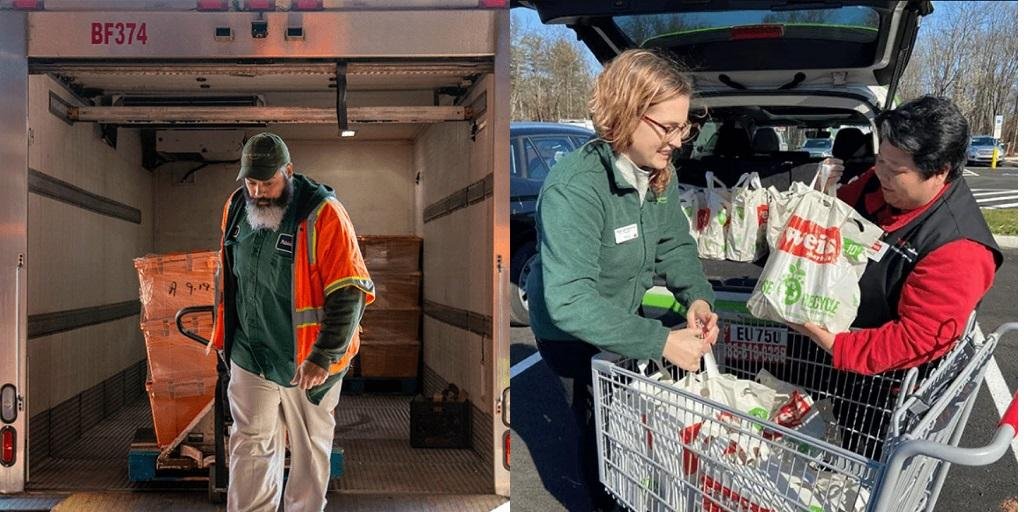
Food bank donations are the backbone of community hunger relief efforts across the country. The act of donating food is an essential expression of community goodwill, providing immediate sustenance to neighbors facing insecurity. Grocers, manufacturers, and individual donors contribute millions of pounds of food each year, ensuring that food banks and their network of partner agencies can serve millions of people.
While crucial, relying only on donated food limits a food bank's ability to meet the community's complex nutritional and logistical needs. A functional food system requires intentional, sustained resources for stability, safety, and balance.
Nutritional Gaps in Donated Food
The most significant limitation of relying primarily on food bank donations is the inevitable nutritional imbalance. Donated items typically skew heavily toward shelf-stable, packaged goods, such as canned vegetables, pasta, and dry beans. While these items are critical for pantry staples, they often create significant gaps in a balanced diet.
Food banks struggle to source sufficient quantities of fresh produce, lean proteins, dairy, and culturally appropriate foods through donation channels alone. These essential, nutrient-dense, and often perishable items, vital for children and seniors, necessitate consistent cold storage and deliberate procurement. To ensure families receive balanced, healthy food options, food banks must supplement donations with strategic, targeted purchases.
Supply Imbalance and Operational Unpredictability
The volume of food bank donations is inherently unpredictable, fluctuating significantly throughout the year. Holiday and disaster-driven surges often overwhelm storage, while slow periods, such as summer or economic downturns, cause supply to dwindle despite rising demand.
Erratic supply creates significant operational challenges, impeding long-term planning for food banks and pantries. This unreliable volume prevents steady inventory, hindering effective distribution and consistent client access to essential items.
The Constraint of Food Safety and Logistics
Every pound of donated food must meet strict food safety and handling standards before it can be distributed. Donors often contribute items that are near or past their expiration dates, lack proper labeling, or require cold-chain maintenance that the donor cannot provide.
Limited storage, complex logistics, and strict inspections hinder the distribution of food donations. Food banks require significant investment in staff and infrastructure, like refrigeration and compliance measures, which are essential but costly for preventing waste and protecting public health.
Moving Beyond Food Bank Donations: The Power of Planned Giving
To overcome the inherent limits of donated food, food banks rely on predictable funding. Monthly planned giving is the mechanism that allows organizations like Philabundance to move beyond reacting to fluctuating donations and toward proactive, sustained hunger relief.
Monthly financial contributions enable Philabundance to:
- Acquire high-demand items that address nutritional gaps, such as fresh produce, meat, and milk, ensuring a balanced plate for every family served.
- Fill inventory shortfalls during slow donation periods to guarantee that partner pantries have stable stock year-round.
- Invest in critical logistics, including refrigerated vehicles, professional warehousing, and inspection training, to handle all food safely and efficiently.
- Maintain consistent operational support for the expansive network of partner agencies and meal programs across the region.
Philabundance operates as a vital central distribution hub, moving food from various sources to hundreds of food pantries and community meal sites. It also runs its own direct service programs, ensuring a comprehensive approach to hunger relief. Steady, predictable monthly giving is what empowers Philabundance to balance the essential but limited resource of donated food with the strategic purchasing and operational efficiency required for wide-scale, dependable regional distribution.
While food bank donations are key to hunger relief, sustained support is vital. Monthly planned giving provides the predictable resources food banks need beyond donated food, guaranteeing a consistent supply of safe, nutritious food.
Visit their website to see how sustained support strengthens Philabundance's mission and ensures reliable access to food.
For more information about Food Rescue Us and Most Effective Charities Please visit : Philabundance.

 English
 Arabic
 French
 Spanish
 Portuguese
 Deutsch
 Turkish
 Dutch
Dutch
 Italiano
 Romaian
 Portuguese (Brazil)
 Greek
Greek
