


Where Can ESD Material Be Applied?
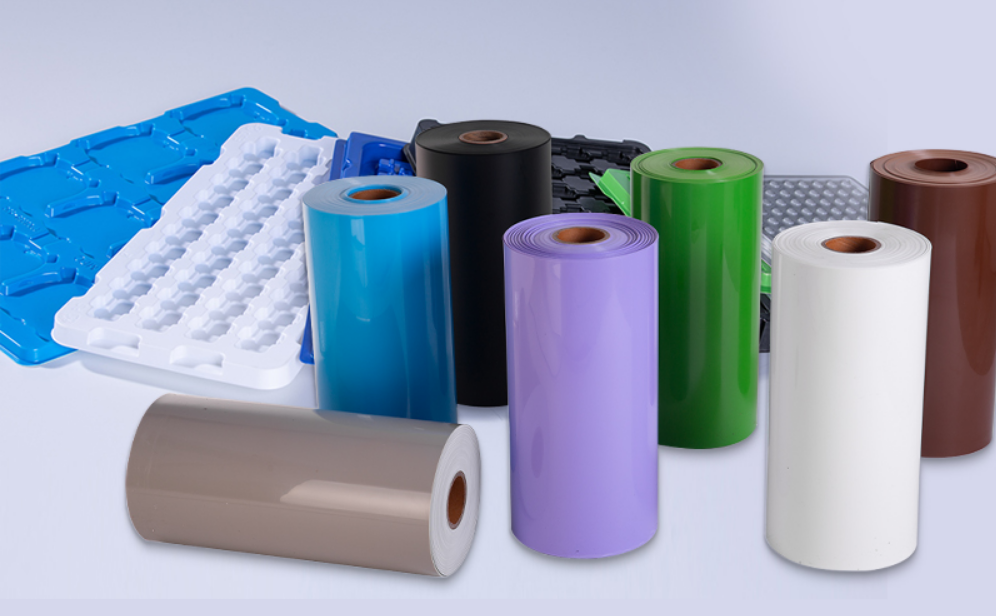
As electronics continue to shrink and their internal structures become more sensitive, people from product engineers to packaging managers increasingly ask: where can specialized materials like Conductive Polystyrene Roll Stock and other ESD Material make a difference? At first glance, these materials may seem niche — relevant only to electronics assembly or cleanrooms — but their applications stretch far wider with tangible benefits across manufacturing and supply chain contexts.
One of the most common use cases for static-control plastics arises in packaging for sensitive components. While conductive foams and static-safe bags are familiar to many, sheet and roll materials with engineered conductive properties are used to build trays, separators, or layers that protect parts from charge buildup during shipping. Conductive plastics can be thermoformed into shapes that securely hold delicate boards or chips, and their charge-dissipative behavior ensures that electric fields don’t accumulate locally.
But it’s not only packaging where static-aware designs are proving useful. Workbench surfaces, conveyor belts, and even temporary flooring in production zones benefit from materials that help control electrostatic discharge. In environments like semiconductor production where a single charge event can ruin expensive wafers, integrating ESD controls from the earliest design phases brings peace of mind. Industry forums often capture questions from practitioners trying to balance cost and compliance — for example, when managing static risks without disrupting existing workflows.
Beyond traditional electronic manufacturing, automotive and medical device assemblies are emerging application areas. Modern vehicles contain numerous sensors and control modules that are sensitive to static, motivating engineers to specify static-safe surfaces and packaging in assembly cells. Likewise, lab instruments and medical equipment often include components that benefit from controlled discharge paths — especially during transport or assembly. Here, starter materials like Conductive Polystyrene Roll Stock are incorporated into larger static-control systems.
Ultimately, designers and supply chain professionals who take a broad view of electrostatic concerns find that early material decisions pay dividends downstream. Questions around where ESD Material can add value often revolve around balancing physical protection with static risk management — and understanding this balance is key to greater quality and reliability.

 English
 Arabic
 French
 Spanish
 Portuguese
 Deutsch
 Dutch
Dutch
 Italiano
 Russian
 Romaian
 Portuguese (Brazil)
 Greek
Greek
