


Does Material Really Affect Storage Safety?
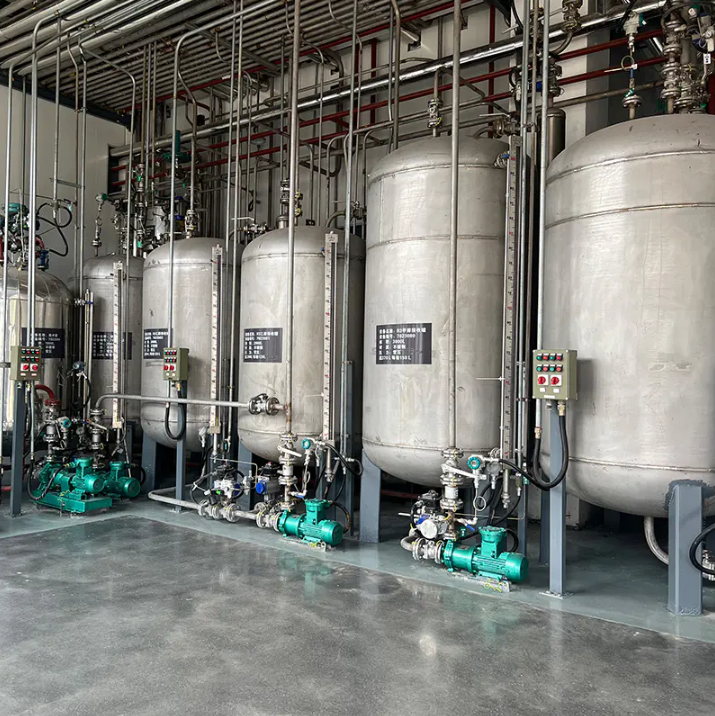
One of the recurring questions in industry forums and user communities is whether a Stainless Steel Storage Tank is worth the investment compared to alternatives like plastic or concrete. People ask about safety, contamination risk, maintenance, and long-term usage — and the conversation often circles back to concerns about hygiene and material behavior under real-world use.
A common point of concern is corrosion resistance. Unlike some alternative materials, stainless steel naturally resists a wide range of corrosive environments without needing special coatings that can peel, crack, or require replacement over time. This inherent resistance is especially important in environments where chemical cleaning agents are used regularly to maintain hygiene. Stainless steel’s smooth, non-porous surface reduces the risk of microbial attachment and makes it easier to sanitize effectively.
Another frequent question relates to surface contamination and water quality. Users storing potable water or food-grade liquids often worry that a tank might leach unwanted ions or contaminants. Stainless steel, especially food-grade grades like those specified for hygienic applications, is chemically stable and non-reactive, ensuring that stored products remain pure and safe. This stability is critical in applications where any contamination could lead to health risks or regulatory issues.
Maintenance concerns also feature heavily in discussions. Many hobbyists and facility managers compare the upkeep of different tank materials. While some alternatives might have a lower upfront cost, they often require more frequent cleaning, surface treatments, or replacement due to degradation. Stainless steel tanks, by contrast, tend to perform reliably with routine inspection and standard sanitation processes, reducing long-term maintenance time and effort.
Of course, no material is perfect for every scenario — and community experts emphasize evaluating the specific storage needs, environmental conditions, and regulatory requirements before selecting a tank. But for applications requiring cleanliness, long service life, and minimal contamination risk, stainless steel remains a trusted choice for many professionals and facility managers.

 English
 Arabic
 French
 Spanish
 Deutsch
 Turkish
 Dutch
Dutch
 Italiano
 Russian
 Romaian
 Portuguese (Brazil)
 Greek
Greek
