


Why Incompatible Auto Connectors Are Risky?
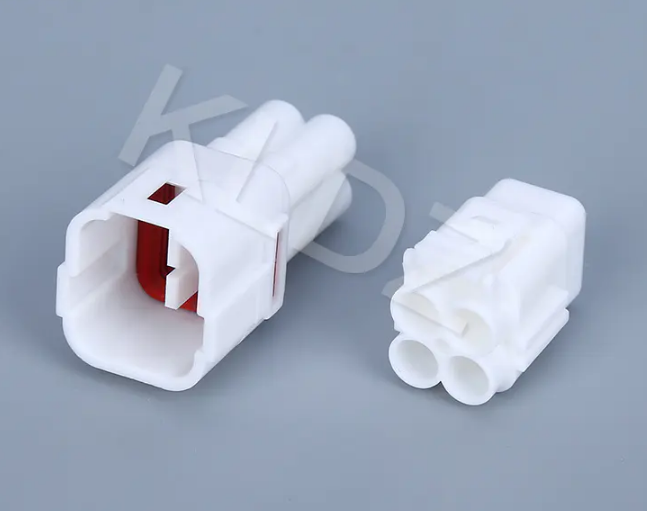
Electrical connectors in vehicles are simple components that join circuits, but when misused, they can lead to significant safety hazards and performance issues. Two specific types that deserve attention are the Auto Electronic Connector and the Vehicle Battery Connector, both of which play roles in powering and controlling your car. When these connectors are incompatible or improperly installed, the consequences can be severe.
One of the main risks of using connectors that are not designed for a specific application is poor contact or fit. Connectors that don’t mate properly create small gaps where electrical arcs can form. Arcing not only results in intermittent electrical behavior but can also produce sparks that ignite surrounding materials. In a tightly packed automotive wiring environment, this spark can propagate and potentially lead to a fire.
Another hazard associated with poor connections is overheating. If a connector does not carry the correct current because of a mismatch or high resistance, it may generate excess heat. Heat buildup can melt plastic housings, degrade insulation, and cause wire insulation to fail, leading to short circuits. Overheated battery connectors, for example, may warp or loosen, reducing the ability of the Vehicle Battery Connector to provide stable power to ignition systems and accessories.
Non-compliance with automotive electrical standards is another problem when connectors are chosen without proper evaluation. Automotive wiring systems follow specific codes to ensure safety and prevent hazards. When a connector does not meet these standards, it can void warranties or lead to legal implications, especially if the vehicle is involved in an accident where electrical failure is a factor.
Connector incompatibility also frequently leads to voltage drops or insufficient current supply. Sensitive electronics, such as engine management modules, rely on stable voltage to function correctly. Poor contact at connectors can interrupt communication between components or cause systems to reset randomly. In user discussions across forums, many drivers report lights flickering, gauges resetting, or the car stalling, only to find that a corroded or loose connector was to blame.
Proper selection, installation, and maintenance are key to avoiding these risks. Ensuring connectors are rated for the correct voltage, current, and environmental exposure minimizes the chance of dangerous situations. Regular inspection for tight fit, corrosion, and signs of heat damage is particularly important for battery connections and other high-power circuits.
By understanding the risks associated with incompatible connectors and taking preventative measures, drivers and maintenance professionals can ensure safer and more reliable vehicle operation.

 English
 Arabic
 French
 Spanish
 Portuguese
 Deutsch
 Turkish
 Italiano
 Russian
 Romaian
 Portuguese (Brazil)
 Greek
Greek
