


Why Braille Elevator Signs Become the Most Trusted Point in Any Building
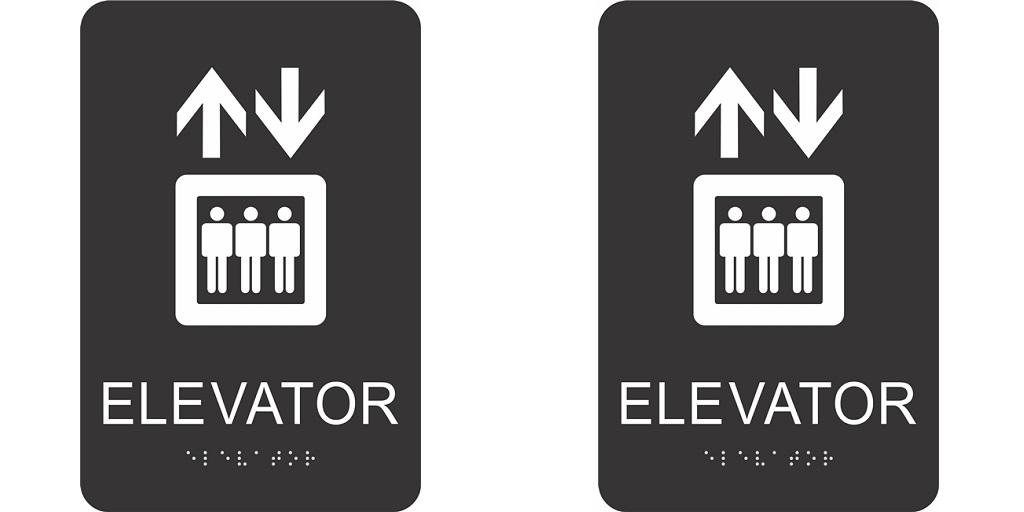
Braille elevator signs are often the first thing blind and low vision visitors look for when entering an unfamiliar building. They offer something rare in public spaces. Consistency. While layouts change and visual cues disappear, elevators tend to stay put.
For people navigating by touch, reliability matters more than aesthetics. Elevators become fixed reference points that help users build a mental map of where they are and where they need to go.
Braille elevator signs anchor the entire experience.
Elevators do not move. That sounds obvious, but it matters. Stairs shift locations. Hallways extend or split. Temporary signage comes and goes. Elevators usually remain in the same place across years of renovations.
For blind users, this consistency turns elevator areas into trusted landmarks. Once someone locates the elevator, they can orient themselves with confidence. They know which floor they are on. They know which direction to exit. That tactile confirmation reduces hesitation and guesswork.
This is why properly installed tactile signage near elevators carries more weight than most people realize. It sets the tone for how navigable the rest of the building will feel.
Stairs change. Corridors drift. Elevators stay honest.
Buildings evolve constantly. Offices get reconfigured. Campuses expand. Medical facilities add new wings. Visual signage updates quickly, but tactile cues often lag behind.
Blind and low vision users notice these changes immediately. When hallway signage shifts without tactile updates, trust erodes. Elevators remain the exception. They provide a fixed location where tactile information is expected and relied on.
That expectation is not accidental. Elevators represent a moment of pause. People stop. They assess. They confirm. When tactile signage is missing or incorrect in that moment, the entire navigation experience feels unstable.
Tactile confirmation builds independence fast.
Independence does not come from memorizing buildings forever. It comes from being able to verify information on the spot. Elevator signage allows users to confirm their position without asking for help.
That matters in offices, apartments, hospitals, and schools. Each request for assistance carries emotional weight. It reminds someone that the space was not built with them in mind.
Reliable tactile information at elevators shortens that distance. It allows users to move with the same quiet confidence others take for granted.
Elevators set expectations for the rest of the building.
When tactile signage is present and placed correctly at elevators, users assume the building understands accessibility. That assumption carries forward. They expect similar care in restrooms, exits, and room identifiers.
When elevator signage is missing or poorly executed, the opposite happens. Users lower expectations. They move slower. They brace for friction.
For businesses and institutions, this first tactile interaction shapes perception instantly. Accessibility either feels intentional or accidental. There is very little middle ground.
Compliance matters most where trust is highest.
Elevators are also one of the most scrutinized areas during accessibility reviews. Inspectors know these locations matter. Users rely on them daily.
Incorrect placement, improper spacing, or missing tactile features do not just risk compliance issues. They disrupt the single point people trust most when navigating a building without sight.
Organizations that understand this tend to treat elevator signage differently. They view it as infrastructure, not decoration.
Braille elevator signs deserve deliberate planning.
Braille elevator signs work best when they are designed for real use, not last minute compliance. Placement height, spacing, and consistency across floors all affect usability.
Buildings that get this right rarely hear complaints. That silence is success. People move freely. Navigation becomes intuitive. Independence feels normal.
For organizations reviewing or upgrading their signage, working with specialists like Braille Sign Pros helps ensure that tactile systems actually serve the people who rely on them every day, starting with Braille elevator signs.
For more information about Braille Signs and Braille Exit Signs Please visit: Braille Sign Pros LLC.

 English
 Arabic
 French
 Spanish
 Portuguese
 Deutsch
 Turkish
 Dutch
Dutch
 Italiano
 Russian
 Portuguese (Brazil)
 Greek
Greek
