


Are There Issues with SBR Latex?
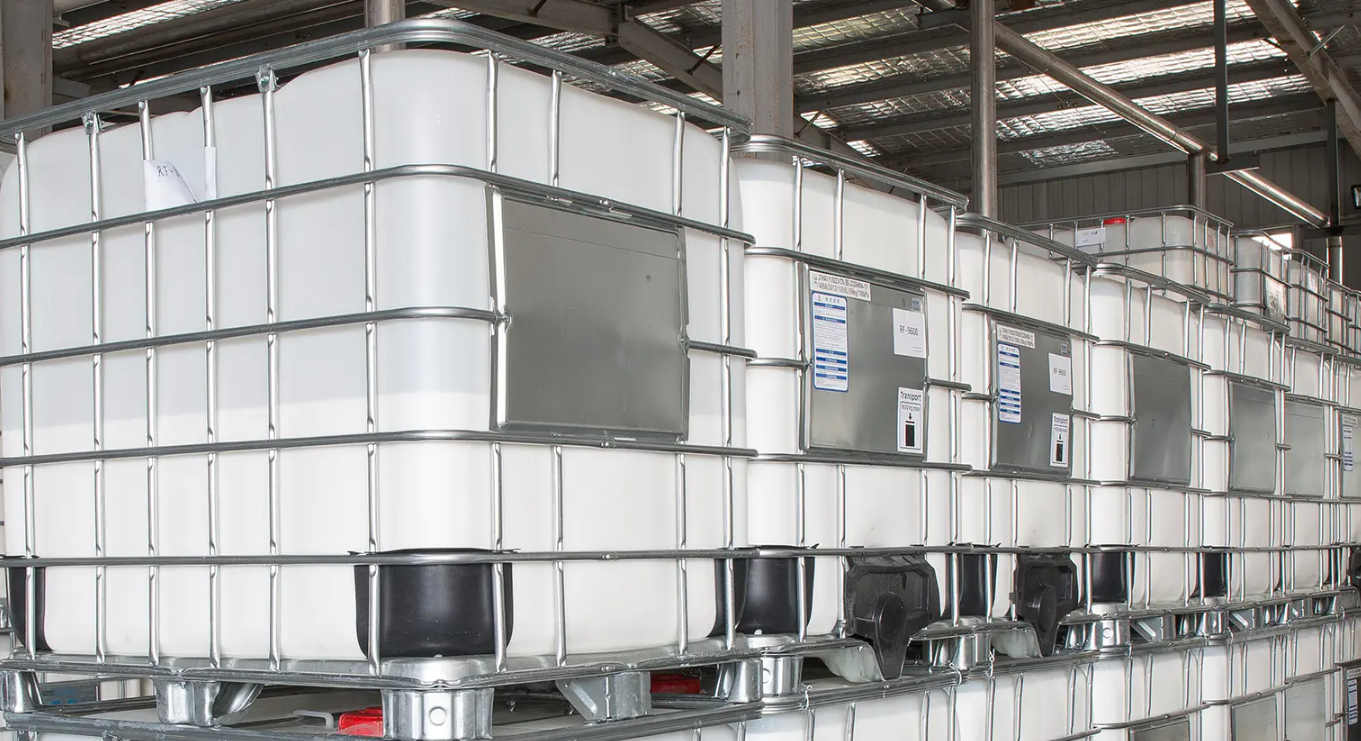
While SBR Latex and styrene butadiene latex are widely used across industries, people often raise questions about practical challenges and potential drawbacks when working with this material. Understanding common concerns can help users prepare, adapt formulations, and set realistic expectations.
One frequent topic relates to environmental impact and emissions. Although SBR latex is water-based and typically exhibits lower VOC emissions than solvent-based polymers, residual styrene and butadiene monomers can still volatilize and contribute to smells or emissions if not fully polymerized or processed. Some industry research suggests that products backed or treated with SBR latex may exhibit detectable VOCs linked to styrene. This has led some manufacturers to formulate low-VOC or regulatory-compliant grades to address indoor air quality concerns.
Users in construction and cement modification also encounter processing challenges. SBR latex coatings or admixtures often must be dried thoroughly and evenly during curing; incomplete drying can lead to inadequate adhesion or surface tackiness. Additionally, compatibility with certain backing or substrate materials might require surface treatments or adhesion promoters to ensure strong bonding.
Another area of concern centers on raw material costs and supply chain volatility. Because SBR latex production depends heavily on petrochemical feedstocks like styrene and butadiene, price fluctuations in crude oil or global supply chains can impact production costs and availability for downstream users. This fluctuating cost structure may influence project budgeting, especially in large-scale applications.
Health and safety questions also come up, particularly regarding monomer exposure during manufacturing or processing. Agencies like the EPA and OSHA monitor exposure levels to components like 1,3-butadiene and styrene, but the finished polymer itself is generally considered stable and not likely to depolymerize into monomers under normal use. Individuals handling concentrated emulsions should follow standard industrial hygiene practices — such as adequate ventilation and personal protective equipment — to minimize exposure to unreacted monomers or surfactants.
Finally, when researching styrene butadiene latex manufacturers, some users ask about customization options or specialty grades that balance performance with sustainability goals. Many producers now offer latex formulations that address specific performance concerns — such as enhanced adhesion, low odor, or recyclability — though trade-offs may still exist compared to alternative polymers.
Recognizing these real-world concerns helps users make informed choices and manage expectations when selecting and applying SBR latex systems.

 English
 Arabic
 French
 Portuguese
 Deutsch
 Turkish
 Dutch
Dutch
 Italiano
 Russian
 Romaian
 Portuguese (Brazil)
 Greek
Greek
