


Why Physiotherapy Treatment Is Essential After Injuries
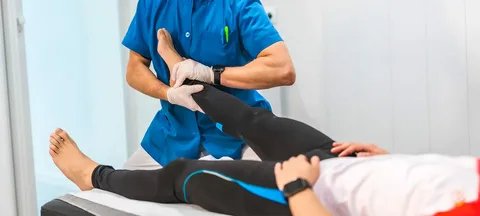
Injuries are inevitable for anyone who lives an active life. Even minor incidents can cause damage that lingers for months. Without proper treatment, many injuries become chronic problems. The natural healing process, while powerful, needs professional guidance. Physiotherapy is essential for ensuring injuries heal correctly and completely.
The Biological Process of Injury Healing
Understanding how tissue heals helps explain why physiotherapy matters. Healing occurs in three overlapping phases after an injury. The inflammatory phase begins immediately and lasts several days. The proliferative phase follows and involves tissue rebuilding. The remodeling phase reshapes the new tissue over weeks to months.
Each phase requires different management strategies. The inflammatory phase needs controlled rest and pain management. The proliferative phase benefits from gentle, guided movement. The remodeling phase responds to progressive loading and exercise. A physiotherapist manages each phase appropriately to optimize healing.
What Happens Without Proper Injury Treatment
Ignoring an injury or treating it inadequately has serious consequences. Scar tissue forms during healing and can restrict movement permanently. Without appropriate loading, this scar tissue remains fragile and disorganized. The result is a tissue that is weaker than the original structure. Re-injury risk remains elevated far longer than necessary.
Compensatory movement patterns also develop during untreated recovery. The body unconsciously protects painful areas by altering movement. These compensations strain surrounding structures and create secondary problems. Over time, what started as one injury becomes multiple dysfunctions. Physiotherapy prevents this cascade through early, targeted intervention.
Early Physiotherapy Intervention Produces Better Outcomes
Early physiotherapy intervention is consistently associated with better recovery. The sooner treatment begins, the less dysfunction accumulates. Early assessment establishes a baseline for tracking recovery progress. Treatment goals are set based on realistic clinical findings. This proactive approach prevents minor injuries from becoming chronic conditions.
Physiotherapists are trained to assess injury severity accurately. They determine which structures are damaged and to what degree. This clinical precision guides appropriate treatment intensity and pacing. Not every injury requires the same approach or timeline. Expert assessment ensures your recovery is tailored precisely to your injury.
Pain Management Through Non-Invasive Physiotherapy Methods
Pain is the most immediate concern following any injury. Physiotherapy offers multiple effective non-invasive pain management strategies. Ice and heat therapies are applied strategically during different healing phases. Transcutaneous electrical nerve stimulation reduces pain signaling effectively. Manual therapy techniques provide hands-on relief for acute and chronic pain.
The physiotherapy treatment approach prioritizes reducing pain while maintaining appropriate activity. Complete rest is rarely the optimal response to musculoskeletal injury. Controlled movement within pain-free ranges maintains tissue health. This approach produces faster recovery than passive rest alone. Pain management and active rehabilitation work together in physiotherapy.
Restoring Full Range of Motion After Injury
Stiffness following injury is among the most common complaints. Swelling and protective muscle guarding restrict joint movement significantly. If stiffness is not addressed early, it can become permanent. Joint mobilization techniques restore movement to stiff, restricted joints. Soft tissue massage releases muscular tension limiting range of motion.
Stretching programs are carefully designed based on injury type. Overly aggressive stretching during acute phases can worsen tissue damage. Conservative, progressive stretching is introduced at appropriate healing stages. Range-of-motion restoration follows a deliberate, evidence-based timeline. Full mobility is the prerequisite for returning to full activity safely.
Strength Rehabilitation Following Musculoskeletal Injury
Muscle weakness following injury requires systematic rehabilitation. Disuse atrophy sets in quickly after an injury limits activity. Restoring muscular strength is essential for protecting the healing tissue. Strengthening exercises are introduced progressively as pain and mobility allow. The progression is carefully managed to respect tissue healing timelines.
Proprioceptive training accompanies strength rehabilitation throughout recovery. Injured joints lose their ability to sense position and movement accurately. Balance and coordination exercises retrain this sensory awareness. Restored proprioception significantly reduces the risk of re-injury. It is a critical but often overlooked component of complete injury rehabilitation.
Sport-Specific Rehabilitation for Athletic Injuries
Athletes require rehabilitation that prepares them for sport-specific demands. General rehabilitation alone is insufficient for a safe return to sport. Physiotherapists design sport-specific phases toward the end of recovery. These phases include agility, speed, power, and sport-relevant movement patterns. Athletes are progressively exposed to increasing sport demands before clearance.
Return-to-sport testing uses objective benchmarks to determine readiness. Strength symmetry, functional movement quality, and psychological readiness are assessed. Athletes who pass these tests have significantly lower re-injury rates. Premature return to sport without proper testing is extremely risky. Physiotherapy-guided return-to-sport protocols are the gold standard in athletic recovery.
Physiotherapy for Workplace and Repetitive Strain Injuries
Not all injuries result from sports or accidents. Many develop gradually from repetitive workplace tasks. Tendinitis, bursitis, and carpal tunnel syndrome are common examples. These injuries worsen progressively when underlying causes are not addressed. Physiotherapy treats symptoms while identifying and correcting root causes.
Ergonomic assessment is a key component of workplace injury rehabilitation. The physiotherapist evaluates how work tasks contribute to the injury. Recommendations for equipment, positioning, and technique modifications are provided. Movement retraining corrects the patterns responsible for repetitive strain. These changes prevent injury recurrence and protect long-term occupational health.
Preventing Re-Injury Through Complete Rehabilitation
Re-injury is most likely when rehabilitation is incomplete. Many people stop treatment the moment pain disappears. However, pain resolution does not equal complete tissue healing. Strength, flexibility, and proprioception may still be significantly compromised. A physiotherapist ensures rehabilitation continues until all deficits are fully resolved.
Discharge from physiotherapy is based on objective outcome measures. These measures confirm that tissue has healed and function is restored. Patients receive a maintenance program to sustain their recovery gains. Education about warning signs of recurrence is also provided. This comprehensive approach minimizes the chance of the same injury returning.
The Long-Term Value of Post-Injury Physiotherapy
The benefits of physiotherapy extend well beyond the recovery period. Patients emerge from rehabilitation with greater body awareness and knowledge. They understand how to move more safely and efficiently in daily life. This heightened awareness prevents future injuries from occurring. The education received during physiotherapy has lifelong protective value.
Healthcare costs associated with chronic injury are substantial. Lost workdays, medication, and specialist visits add up quickly. Early, effective physiotherapy reduces these downstream costs significantly. A recovered patient is a productive, active, and healthy individual. The economic argument for post-injury physiotherapy is as compelling as the clinical one.
Injuries do not have to result in long-term pain and limitation. With proper physiotherapy, complete recovery is achievable for most people. The key is seeking professional help early and committing to the process. Every phase of rehabilitation is designed to restore full function. Trust in physiotherapy's evidence-based approach and reclaim your active life.

 English
 Arabic
 Spanish
 Portuguese
 Deutsch
 Turkish
 Dutch
Dutch
 Italiano
 Russian
 Romaian
 Portuguese (Brazil)
 Greek
Greek
