


Why Use CNC Vertical Turning Centers?
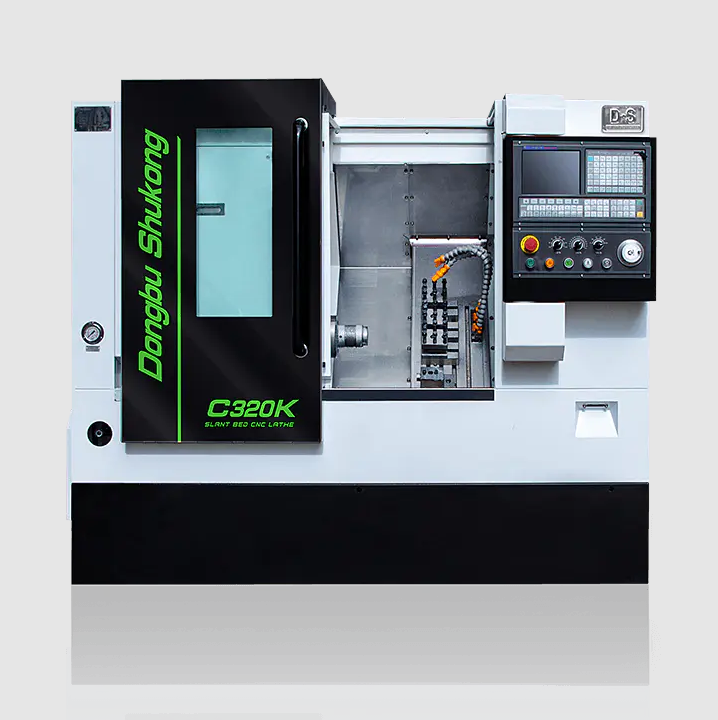
Large metal components can be difficult to machine using standard horizontal equipment. Heavy workpieces place stress on clamping systems, and loading oversized parts often requires additional handling equipment. This is where CNC Vertical Turning Centers enter the picture. Their vertical structure changes how large metal parts are supported, machined, and controlled during industrial production.
Unlike traditional lathes where the workpiece rotates horizontally, CNC Vertical Turning Centers position the workpiece vertically on a rotating table. Gravity helps stabilize heavy components, reducing strain during machining operations. This design is especially useful for industries producing large rings, flanges, valve bodies, bearing housings, and energy equipment components.
Inside the machine, the rotating table holds the metal part firmly while cutting tools move along programmed paths. Modern CNC systems allow operators to control spindle speed, tool movement, feed rates, and cutting depth through digital programming. Once the machining program is loaded, the machine can repeat the same process consistently across multiple production cycles.
One reason manufacturers choose CNC Vertical Turning Centers involves their ability to handle large diameters without excessive vibration. Heavy castings and thick steel parts may shift slightly during machining on other equipment types, but vertical positioning improves stability. This often helps maintain dimensional consistency while reducing unnecessary tool movement.
Tooling flexibility also plays a major role in modern machining environments. Some vertical turning centers include automatic tool changers capable of switching between rough cutting, finishing, drilling, and threading operations without stopping production. This setup allows complex parts to move through multiple machining stages inside a single machine enclosure.
Heat management becomes important during heavy-duty cutting operations. Machining large metal surfaces creates friction and high temperatures, especially during long production runs. Coolant systems help reduce heat buildup while clearing metal chips away from the cutting zone. Proper cooling not only protects tooling but also supports smoother surface finishes.
Although many finished industrial products appear simple after assembly, the components behind them often require demanding machining work. CNC Vertical Turning Centers continue supporting industries such as energy, transportation, aerospace, and heavy equipment manufacturing by shaping large metal parts with stability and controlled precision.

 English
 Arabic
 French
 Spanish
 Portuguese
 Deutsch
 Dutch
Dutch
 Italiano
 Russian
 Romaian
 Portuguese (Brazil)
 Greek
Greek
