


Best Design Trends in Greeting Card Printing Today
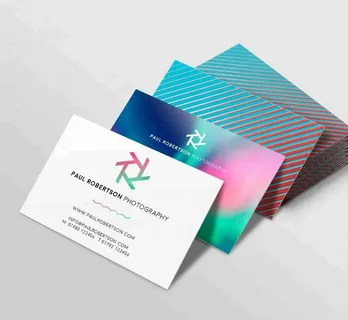
Greeting card design has evolved dramatically over recent years. What once relied on floral borders and standard sentiment is now different. Today's cards reflect a broader, bolder, and more diverse visual language. Design trends in card printing push boundaries in exciting ways. They blend art, technology, tactile experience, and personal expression. Staying informed about these trends helps you choose cards that truly resonate.
Why Design Trends in Greeting Cards Matter
Design trends reflect the cultural mood of the moment. Cards that align with current aesthetics feel fresh and relevant. Recipients sense when a design is modern versus outdated. Trend-aware designs communicate that the sender is attentive and thoughtful. Outdated designs can inadvertently signal a lack of care. For businesses using cards for branding, trend awareness is especially critical.
How Consumer Expectations Have Shifted
Consumers today expect more from every product they interact with. The rise of design-forward brands has raised aesthetic expectations universally. People now notice paper quality, finish, and color accuracy more critically. They compare the physical card to the digital content they consume daily. This comparison raises the bar for what feels genuinely impressive. Greeting card design must meet these elevated contemporary expectations.
The Influence of Social Media on Card Aesthetics
Social media has dramatically influenced greeting card design directions. Platforms like Instagram and Pinterest shape what consumers find beautiful. Minimalist aesthetics popularized online have translated powerfully into card design. Bold color blocking, seen widely on digital platforms, now dominates print. Illustrated botanicals, popular in home decor, have migrated onto card surfaces. Designers now look to social platforms as primary trend sources.
Top Design Trends Dominating Greeting Card Printing
Several distinct design trends are defining the current printing landscape. These trends span aesthetic styles, materials, and finishing techniques. Understanding each helps you select or design cards with maximum impact. Whether for personal use or business branding, these trends offer guidance. They represent the intersection of artistic direction and consumer preference.
Minimalist Design With Maximum Emotional Impact
Minimalism continues to dominate premium greeting card design. Clean layouts with generous white space feel refined and intentional. A single bold illustration or typographic element carries the entire design. Less visual noise allows the emotional message to breathe more freely. Recipients are drawn to quiet confidence in card design today. Minimalist cards photograph well, which matters in a social-media-aware world.
Bold Typography as the Primary Design Element
Typography has moved from supporting role to design hero. Giant, expressive letterforms now anchor entire card compositions. Hand-lettered typography adds warmth and artisanal quality to designs. Contrasting font pairings create visual tension and dynamic interest. Typography-led designs work especially well for celebration and encouragement cards. They are bold, memorable, and communicate personality with immediacy.
Illustration-Forward Cards With an Artisan Feel
Hand-illustrated cards have seen a powerful resurgence in recent years. Consumers are drawn to the authenticity of illustrated artwork over photography. Botanical illustrations, abstract forms, and character-based art lead this trend. These illustrations give cards a collectible, gallery-worthy quality. Recipients often display illustrated cards as small pieces of artwork. The artisan quality communicates creativity and genuine aesthetic investment.
Material and Finish Trends in Modern Card Printing
Design is only half the story in contemporary greeting card printing. Material and finish choices are equally influential in defining card quality. The most on-trend cards today combine striking design with premium tactile experience. Finish choices communicate brand and personal values immediately. They add sensory dimensions that elevate the overall card experience.
The Return of Textured Paper Stocks
Textured paper stocks are experiencing significant popularity in card printing. Linen-textured cardstock offers an elegant, heritage quality aesthetic. Laid paper with visible horizontal lines feels classic and distinguished. Cotton-blend paper stocks offer a soft, natural feel that reads as premium. These textured stocks invite touch, which deepens emotional engagement. The resurgence of texture reflects a broader desire for sensory richness.
Foil Stamping and Metallic Accents
Metallic foil continues to be one of the most impactful finishing choices. Gold foil communicates luxury, warmth, and celebratory energy powerfully. Silver foil reads as cool, modern, and sophisticated to most recipients. Rose gold foil has become particularly popular for romantic and lifestyle cards. Holographic foil creates a playful, eye-catching shimmer across design surfaces. Even a small foil element transforms a simple card into something special.
Eco-Conscious Design and Sustainable Materials
Sustainability has become a defining value in contemporary consumer culture. Greeting card designers and printers are responding with eco-conscious options. Recycled paper stocks with visible natural fiber textures are trending. Soy-based inks produce vibrant colors with a significantly reduced environmental footprint. Minimalist designs also serve sustainability by reducing ink coverage and waste. Cards that communicate care for the planet resonate with environmentally aware recipients.
Digital and Traditional Design Hybrid Trends
Today's most innovative cards blend digital design sensibility with traditional print craft. Digital illustration techniques produce artwork with incredible precision and detail. These digitally created designs are then executed on traditional materials with fine finishes. The result is a card that feels both contemporary and enduringly beautiful. This hybrid approach represents the cutting edge of greeting card design today.
QR Codes and Interactive Card Elements
Some of the most innovative cards now include interactive digital elements. A QR code printed on the card links to a personalized video message. Augmented reality features bring illustrated card elements to animated life. These interactive elements create a surprising, memorable experience for recipients. They bridge the physical card experience with digital personalization possibilities. This integration represents a genuine evolution in what a card can do.
Exploring custom greeting cards printing options allows designers and individuals to incorporate these trends precisely. From specialty finishes to unique paper stocks, professional printing unlocks creative possibilities. The difference between average and exceptional cards often comes down to production quality. Working with a skilled print partner ensures your design vision is fully realized.
Color Trends Defining Greeting Card Aesthetics
Color is one of the most powerful trend indicators in design. Each year, color forecasters identify palettes that define the cultural moment. These palettes migrate from fashion and interiors into greeting card design. Understanding current color trends helps you choose cards that feel relevant. It also helps designers create work that resonates with contemporary audiences.
Earthy, Nature-Inspired Tones
Warm, earthy tones have dominated design across all creative fields recently. Terracotta, sage green, warm beige, and dusty rose define this palette. These colors communicate groundedness, warmth, and natural authenticity. They work beautifully in botanical and artisan-style card designs. This earthy palette resonates with consumers seeking connection to the natural world. It feels both contemporary and timelessly calm.
Bold, High-Contrast Color Blocking
At the opposite end of the spectrum, bold color blocking is thriving. High-contrast pairings like cobalt and saffron create visual excitement. Electric combinations of chartreuse and deep purple feel audaciously modern. These bold palettes suit celebration, humor, and energetic personal expressions. They read especially well on social media when cards are photographed. Boldness communicates confidence and a willingness to stand out.
Future Directions in Greeting Card Design
The greeting card industry continues to innovate in exciting, unexpected directions. Personalization technology is making truly one-of-a-kind cards accessible to everyone. AI-assisted design tools are lowering the barrier to high-quality custom creation. Specialty materials like seed paper and plantable cards are growing in popularity. The convergence of craftsmanship, technology, and sustainability points toward a rich future. Cards are evolving from simple messages into meaningful, multisensory experiences.

 English
 Arabic
 French
 Portuguese
 Deutsch
 Turkish
 Dutch
Dutch
 Italiano
 Russian
 Romaian
 Portuguese (Brazil)
 Greek
Greek
