


What Advantages Does Industrial And Urban Wastewater Treatment Bring to Facilities?
Communities and industries share responsibility for managing wastewater before it reaches natural environments. Hengfeng Industrial And Urban Wastewater Treatment addresses the challenge of removing suspended matter and dissolved substances from complex mixtures. Plants seek methods that deliver consistent clarification while fitting within existing frameworks.
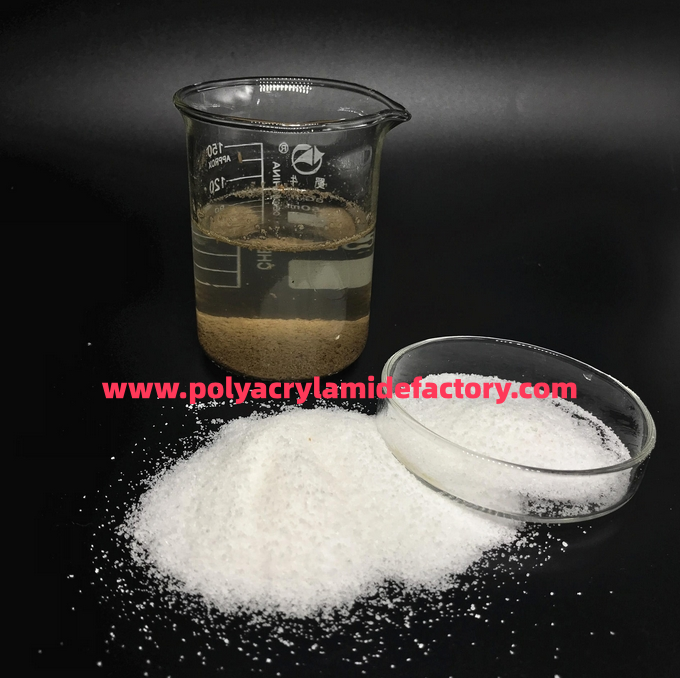
Influent varies widely depending on source. Urban flows include household detergents, food residues, and road runoff. Industrial contributions bring proteins, starches, dyes, or metallic ions depending on production type. Charged polymers interact with these components to promote flocculation, forming settleable aggregates that separate readily. The result appears as distinct layers in clarifiers, with supernatant showing reduced haze.
Process integration happens gradually. Operators introduce polymer at strategic points after screening and grit removal. Mixing energy remains moderate to avoid shattering fragile flocs. Settling follows in basins designed for adequate detention time. Clearer overflow proceeds to filtration, disinfection, or direct discharge where appropriate. Many facilities observe steadier performance during variable loading conditions after adopting this approach.
Operational aspects gain attention. Polymer solutions prepare in dedicated tanks to preserve activity. Feed pumps deliver precise amounts based on flow rates. Jar testing helps predict behavior under current conditions, allowing proactive adjustments. Reduced need for excessive coagulants or pH swings simplifies chemical management overall.
Reuse opportunities expand when effluents reach higher clarity. Treated water serves irrigation, cooling, or process makeup in certain industries. Municipal plants sometimes direct polished streams toward groundwater recharge or landscape needs. These cycles lessen freshwater demand while demonstrating responsible resource use.
Challenges differ across locations. Plants near sensitive waterways prioritize thorough solids capture. Facilities with space constraints favor rapid settling to maintain throughput. Operators in regions experiencing seasonal population shifts or production surges value responsive techniques that adapt without extensive reconfiguration.
Exploration of clarification aids frequently reveals practical pathways forward. Understanding how cationic polymers assist in building flocs offers insight into achieving dependable separation across diverse wastewater profiles. Whether focusing on effluent quality, operational efficiency, or environmental stewardship, relevant information supports informed decisions. Visit https://www.polyacrylamidefactory.com/news/industry-news/how-industrial-and-urban-wastewater-treatment-can-improve-with-cationic.html to learn more about cationic approaches and their role in modern treatment practices.

 Arabic
 French
 Spanish
 Portuguese
 Deutsch
 Turkish
 Dutch
Dutch
 Italiano
 Russian
 Romaian
 Portuguese (Brazil)
 Greek
Greek
