


The Secret to Managing Large-Scale Custom T-Shirt Production
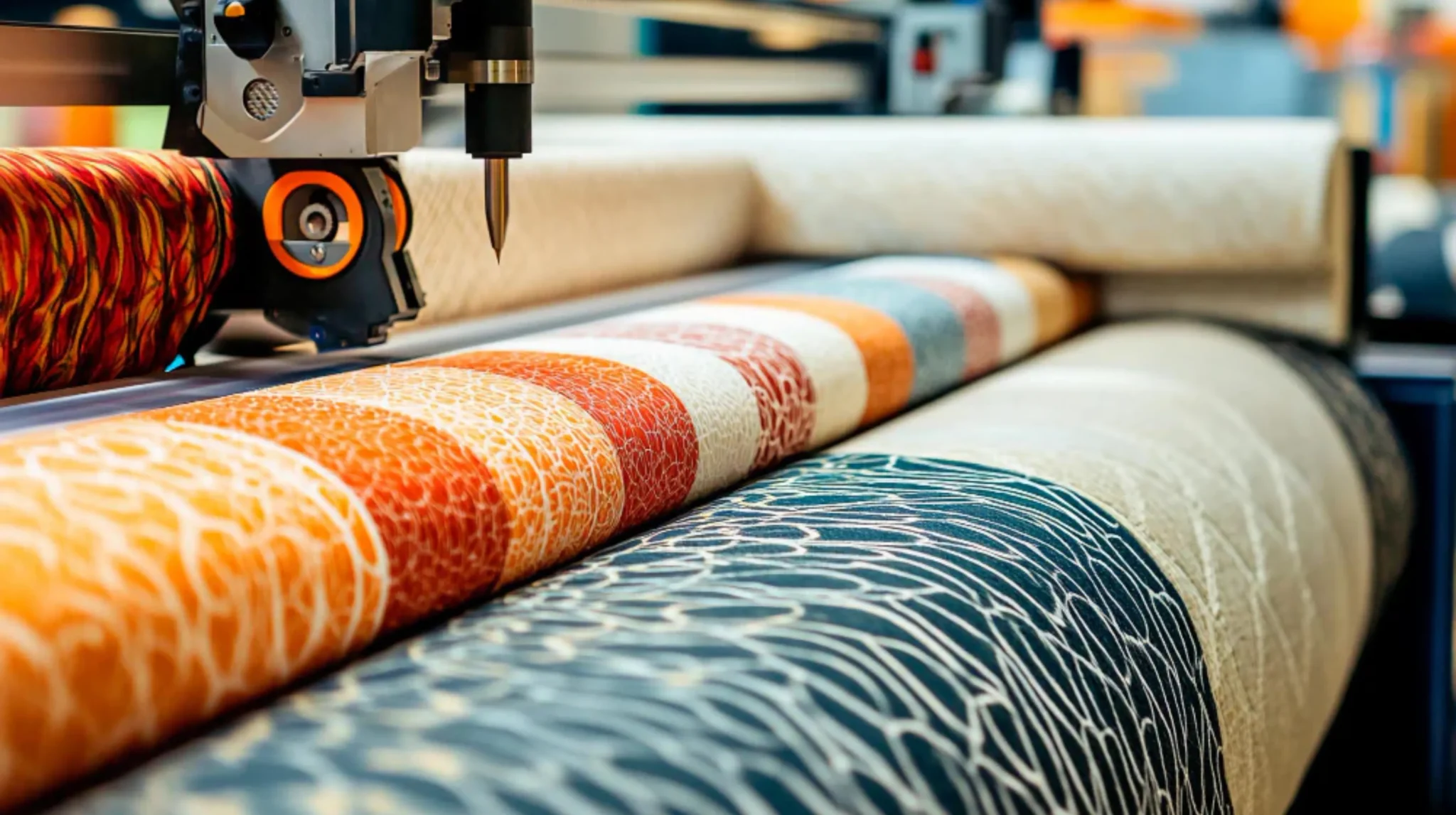
Large-scale custom t-shirt production is a fast-growing segment in the apparel industry, driven by rising demand from brands, events, and online stores. Managing thousands of garments while maintaining consistent quality, color accuracy, and timely delivery requires careful planning and efficient production systems. Without proper organization, even experienced printing businesses can face delays, errors, and customer dissatisfaction. This article explains the key strategies used to successfully manage high-volume apparel production.
In modern workflows, efficiency tools such as Gang sheet layouts have significantly improved productivity by allowing multiple designs to be printed on a single sheet, reducing waste and streamlining production processes.
Understanding Large-Scale T-Shirt Production
Large-scale production refers to manufacturing custom apparel in bulk quantities, often ranging from hundreds to thousands of pieces per order. This type of production requires coordination between design preparation, printing, quality control, and logistics.
Unlike small orders, bulk production demands strict consistency. Every shirt must match the approved design in terms of color, placement, and print durability. Even minor variations can impact customer satisfaction and brand reputation.
Importance of Workflow Planning
One of the biggest secrets to managing large-scale production is effective workflow planning. A well-structured workflow ensures that each stage of production runs smoothly without bottlenecks.
This includes:
-
Organizing design files in advance
-
Scheduling print runs efficiently
-
Assigning clear responsibilities to team members
-
Ensuring machine readiness before production starts
A structured workflow helps reduce downtime and increases overall output without sacrificing quality.
Material Selection and Preparation
The foundation of successful t-shirt production lies in selecting the right materials. Fabric quality directly impacts the final print result. Cotton, polyester, and blended fabrics each behave differently during printing.
Before production begins, fabrics should be pre-checked for defects such as shrinkage issues, uneven texture, or contamination. Proper preparation ensures that the printing process delivers consistent results across all garments.
Efficient Design Management
Handling multiple designs at scale requires strong digital organization. Files should be labeled, categorized, and stored in a structured system for easy access.
High-resolution artwork is essential for sharp prints. Designers often use vector formats to maintain clarity at any size. Color profiles should also be standardized to avoid inconsistencies during printing.
Role of Production Technology
Modern printing technologies have transformed how large-scale apparel production is handled. Automated machines, heat presses, and digital printing systems reduce manual effort and improve precision.
Advanced systems allow operators to maintain consistent temperature, pressure, and ink distribution, which is crucial when printing thousands of identical garments.
Streamlining with Printing Layouts
To improve efficiency, businesses often use optimized printing layouts that combine multiple designs into a single print cycle. This reduces material waste and saves production time.
These layouts also help ensure that production teams can handle large orders without constantly switching between design files.
Quality Control at Every Stage
Maintaining quality in bulk production requires continuous inspection rather than final-stage checking. Quality control should be implemented throughout the entire process.
Key inspection points include:
-
Pre-print fabric checks
-
Mid-production print evaluation
-
Post-print color accuracy tests
-
Final garment inspection before packaging
This approach helps identify errors early and prevents large-scale reprints.
Training Skilled Operators
Even with advanced technology, human expertise plays a vital role in managing production. Skilled operators ensure machines are calibrated correctly and that designs are applied accurately.
Regular training programs help staff improve:
-
Machine handling skills
-
Error detection ability
-
Speed and efficiency
-
Quality awareness
Well-trained teams are essential for maintaining consistency in large production environments.
Managing Time and Deadlines
Time management is critical when handling bulk orders. Poor scheduling can lead to delays and compromised quality. Production managers must allocate realistic timelines for each stage of the process.
Breaking large orders into smaller batches helps maintain control and reduces the risk of production overload.
Reducing Waste and Improving Efficiency
Waste reduction is an important factor in large-scale production. Improper material usage can significantly increase costs and reduce profitability.
Efficient cutting techniques, optimized printing layouts, and accurate measurements help minimize waste and improve overall productivity.
Maintaining Color Consistency
One of the most challenging aspects of t-shirt production is maintaining consistent color across large batches. Slight variations in ink or fabric absorption can create noticeable differences.
To solve this, production teams use standardized color profiles and regular calibration of printing machines.
Importance of Sample Testing
Before starting full production, sample testing is essential. It helps verify design accuracy, fabric compatibility, and print durability.
Samples are usually reviewed by clients or quality teams to ensure expectations are met before mass production begins.
Advanced Workflow Optimization
Modern production systems often include digital tools that track order progress, manage inventory, and monitor machine performance. These systems help streamline operations and improve overall efficiency.
One of the most effective modern tools includes UV DTF Gang sheet builder, which allows businesses to organize multiple designs digitally and prepare them for efficient production workflows without manual errors.
Packaging and Delivery Management
Once production is complete, proper packaging ensures that garments remain in perfect condition during transportation. Each item should be folded, labeled, and packed securely.
Efficient logistics management ensures timely delivery and reduces the risk of damaged goods during shipping.
Future of Large-Scale Apparel Production
The apparel industry continues to evolve with automation, AI-driven design tools, and advanced printing technologies. These innovations are making large-scale production faster, more accurate, and more cost-effective.
Businesses that adapt to these changes are better positioned to compete in the growing global market.
Conclusion
Managing large-scale custom t-shirt production requires a combination of planning, technology, skilled labor, and strict quality control. From workflow organization to advanced printing systems, every step plays a vital role in ensuring success. By implementing efficient processes and maintaining consistency, businesses can meet high-volume demands while delivering professional-quality results across every order.

 English
 Arabic
 French
 Spanish
 Portuguese
 Turkish
 Dutch
Dutch
 Italiano
 Russian
 Romaian
 Portuguese (Brazil)
 Greek
Greek
