


Spinal Decompression Therapy Options for Active Lifestyles
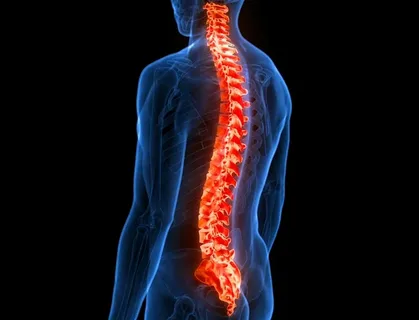
Active people face a unique challenge when back pain enters their lives. Exercise, sport, and physical activity are central to their identity and wellbeing. Being told to rest and avoid movement feels deeply counterproductive to them. Yet many standard back pain treatments prioritize inactivity over function. Spinal decompression therapy offers a fundamentally different and better approach. It enables active individuals to recover without abandoning the lifestyle they love.
Why Active People Are Especially Vulnerable to Disc Injuries
Physical activity, while enormously beneficial, places stress on the spine. Running, weightlifting, cycling, and contact sports all compress the lumbar discs. Over time, this repeated mechanical loading can cause disc degeneration and injury. Active people also tend to push through pain longer than sedentary individuals. This delayed presentation often means the injury is more advanced upon diagnosis.
Common disc injuries in active populations include herniations and annular tears. Athletes frequently develop sciatica from repeated lumbar loading under fatigue. Degenerative disc disease can develop earlier in high-impact sport participants. Weekend warriors who alternate periods of inactivity with intense activity are also vulnerable. The stop-start nature of recreational sport creates inconsistent loading patterns that stress the discs.
What Makes Spinal Decompression Ideal for Active Individuals
Several characteristics of spinal decompression therapy make it well-suited for active people. Its non-invasive nature means no recovery time from treatment itself is required. Active patients can often continue modified training while undergoing decompression. The therapy addresses the structural disc problem rather than just masking symptoms. This aligns with the active person's preference for solving problems at their root.
The computerized precision of modern decompression equipment is also important. Forces are carefully calibrated to each patient's specific anatomy and diagnosis. This precision minimizes any risk of aggravating the injury during treatment. Active patients feel confident knowing their care is guided by technology. The therapy's comfortable and controlled nature also reduces anxiety about treatment.
Spinal Decompression Options Available in 2026
Multiple decompression treatment options are available for active patients today. Understanding these options helps patients make informed decisions about their care.
Motorized Lumbar Decompression Tables
The most widely used form of decompression involves specialized motorized tables. These tables use computer-controlled traction to distract the lumbar vertebrae. The VAX-D and DRX9000 are among the most reputable and studied devices. Both apply rhythmic cycles of tension and relaxation during each session. This cycling creates the therapeutic pumping effect on compressed discs. Active patients typically tolerate these sessions very well due to their comfort.
Treatment on these tables does not require any special preparation or recovery time. Patients lie in a comfortable position throughout the entire session. The process is passive, allowing the injured tissue to heal without active effort. For athletes managing training loads alongside recovery, this is highly convenient. The ability to come in for a session and return to modified training is valued.
Cervical Decompression Devices
Active people also suffer from cervical disc injuries, particularly in contact sports. Swimmers, cyclists, and overhead athletes are prone to cervical disc degeneration. Specialized cervical decompression devices target the neck vertebrae specifically. These devices use gentle, precise traction to decompress the cervical discs. The therapy reduces neck pain, arm pain, and headaches associated with cervical compression.
The cervical traction mechanism mirrors that of lumbar decompression in principle. Negative intradiscal pressure is created by gently separating the cervical vertebrae. This retraction of disc material relieves pressure on the cervical nerve roots. Many athletes with cervical radiculopathy achieve full return to sport through this care. The precision of the equipment ensures safety even in the sensitive cervical region.
In-Clinic Versus Home Decompression Devices
Clinical decompression devices offer the highest level of precision and effectiveness. However, some providers supplement clinic care with home traction devices. These home units are simpler and less powerful than clinical-grade equipment. They provide interim relief between clinic sessions for motivated patients. Active individuals often appreciate having an active role in their own recovery.
Home devices should always be used under clinical supervision and guidance. Improper use of home traction can aggravate certain spinal conditions significantly. Providers prescribe home devices selectively based on individual patient suitability. They complement but should never replace professionally administered decompression therapy. Clinical oversight ensures that home device use enhances rather than undermines recovery.
Maintaining Activity During Spinal Decompression Treatment
A common fear among active patients is that treatment requires complete rest. This is not typically the case with spinal decompression therapy at all. Most providers encourage modified activity to maintain fitness and tissue health. Understanding what is safe to continue during treatment is very important.
Low-Impact Activities That Are Generally Permitted
Swimming is an excellent form of exercise during decompression treatment protocols. The buoyancy of water reduces spinal load while maintaining cardiovascular fitness. Cycling on a recumbent bike minimizes lumbar compression during pedaling. Walking at a moderate pace on flat terrain is generally well-tolerated. Pilates and yoga classes modified to avoid spinal loading can continue safely. These activities maintain conditioning without compromising the decompression process.
Activities to Temporarily Modify or Avoid
High-impact activities such as running and jumping compress the discs significantly. These activities can counteract the therapeutic effects of decompression sessions. Heavy lifting and loaded squats should also be avoided during acute treatment. Contact sports that risk traumatic spinal loading require temporary modification. Your provider will give specific guidance on activity modification based on your case.
Returning to Full Sport After Decompression
Most active patients return to full sport activity after completing their treatment protocol. The timeline for return depends on the type and severity of the initial injury. Functional benchmarks such as pain levels and movement quality guide return decisions. A gradual reintroduction to sport-specific loading prevents re-injury effectively. Many athletes return to sport performing at or above their pre-injury levels.
Combining Decompression With Sport-Specific Rehabilitation
Decompression therapy is most powerful when combined with targeted rehabilitation. Active patients benefit from a program that addresses both the disc and functional movement.
Core stabilization exercises are the most important rehabilitation component. A strong, stable core reduces spinal loading during sport and daily activity. Exercises such as planks, dead bugs, and pallof presses build functional core strength. These exercises are introduced progressively as pain and mobility improve. Hip mobility work also reduces compensatory loading patterns on the lumbar spine.
Sport-specific movement patterns are gradually reintroduced during later rehabilitation. Biomechanical coaching ensures the athlete moves safely before returning to competition. Addressing the movement faults that contributed to the original injury is essential. Preventing recurrence requires more than just healing the disc itself. Functional rehabilitation transforms the recovery process into genuine performance enhancement.
The Role of Recovery Practices in Optimizing Treatment
Active patients often underestimate the importance of recovery practices during treatment. Adequate sleep is the most powerful tissue-healing tool available to any athlete. Growth hormone, which drives disc and tissue repair, is secreted during deep sleep. Targeting seven to nine hours of quality sleep nightly optimizes the healing process. Anti-inflammatory nutrition also supports disc hydration and reduces systemic inflammation.
Hydration is particularly important for disc health and recovery. Intervertebral discs are composed largely of water, especially in their central nucleus. Adequate daily water intake maintains disc hydration between treatment sessions. Reducing alcohol, processed foods, and refined sugars supports the anti-inflammatory healing environment. These recovery practices amplify the structural benefits of decompression therapy.
What Active Patients Should Look for in a Provider
Choosing the right provider is especially important for active individuals with specific goals. Look for a clinic that understands sport, performance, and functional recovery. The provider should be familiar with the physical demands of your specific sport. A thorough initial evaluation including movement assessment and imaging review is essential.
Selecting a clinic offering personalized Spinal decompression treatment alongside sport-specific rehabilitation gives active patients the best chance of a complete, fast, and lasting recovery without sacrificing the active lifestyle they value.
Conclusion
Spinal decompression therapy is an excellent treatment option for active individuals with back pain. It addresses the structural root cause of disc injuries without requiring prolonged rest. Modern decompression equipment provides precise, safe, and comfortable treatment sessions. Modified activity is encouraged rather than prohibited during the treatment period. Combined with targeted rehabilitation and smart recovery practices, active patients consistently achieve outstanding outcomes.

 English
 Arabic
 French
 Spanish
 Deutsch
 Turkish
 Dutch
Dutch
 Italiano
 Russian
 Romaian
 Portuguese (Brazil)
 Greek
Greek
