


Toe Jack Use On The Ground Where Heavy Lifts Actually Begin
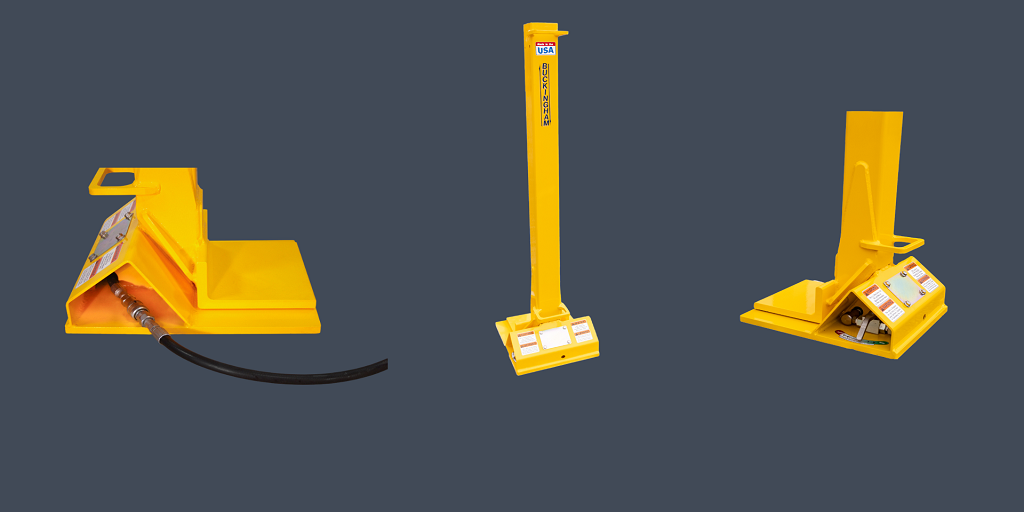
Every lift starts at ground level, and that’s exactly where a toe jack earns its place. Crews dealing with tight clearances know the struggle of getting under a load that sits flat with no room to breathe. That’s where this tool steps in and changes how the entire move unfolds.
A toe jack is designed with a low-profile lifting toe that slides under machinery, beams, or structural elements that sit close to the floor. It delivers controlled lift right where other tools can’t reach. In real-world jobs, especially involving heavy equipment lifting or structural moving equipment, this first inch of lift sets the tone for everything that follows.
Toe Jack In Tight Spaces Where Other Tools Fail
A toe jack works differently from standard lifting gear. The lifting point sits near the base, allowing operators to engage loads with minimal clearance. That’s why crews rely on it when dealing with equipment that can’t be accessed from above or lifted with forks.
Midway through a project, a toe jack often comes back into play for repositioning. It handles adjustments that require precision rather than brute force. A hydraulic toe jack, for example, uses fluid pressure to create smooth, controlled lifting action. That matters when dealing with sensitive alignment or when loads need to stay balanced across multiple lift points.
You’ll also hear terms like claw jack or low clearance jack used in the same conversation. These refer to similar tools built for tight access lifting. The difference usually comes down to design details and toe jack capacity, which dictates how much weight the unit can safely handle. Crews match that capacity carefully to the load, especially when working with industrial jack systems that need to operate in sync.
Who Still Skips Toe Jack And What They Use Instead
There are still construction and moving crews that skip using a toe jack, often relying on forklifts, pry bars, or even cranes to initiate lifts. It usually comes down to habit, equipment availability, or a misunderstanding of what the tool actually solves.
Forklifts get used when there’s enough clearance, but they struggle when loads sit flush to the ground. Pry bars can create lift, but they lack control and consistency. Some crews try to compensate with cribbing stacks and manual lift, which slows down the process and introduces more variables.
Mid-project, the absence of a toe jack becomes obvious. Alignment takes longer. Load distribution feels uneven. Adjustments require more effort and more hands. In heavy equipment lifting, that delay compounds quickly, especially when working under tight schedules or in confined spaces.
What Happens When Toe Jack Gets Left Out Of The Plan
Skipping a toe jack doesn’t just affect efficiency. It introduces real risk. The first lift is where instability shows up, and without a proper machine lifting jack, crews often force the load upward in uneven ways.
One common issue involves uneven load engagement. Without a toe jack, lifting points may not align properly, which leads to shifting once the load comes off the ground. That shift can damage equipment or throw off the entire lifting sequence.
Another concern is overcompensating with other tools. Using a crane for initial lift might sound efficient, but it removes the precision that a toe jack provides at ground level. The result is less control during the most critical phase of the move.
There’s also the strain on the crew. Manual lifting methods increase physical effort and reduce consistency. Over time, that leads to fatigue, and fatigue leads to mistakes. A properly used toe jack reduces that strain and keeps movements predictable.
Toward the later stages of a move, the absence of a toe jack can still cause problems. Fine adjustments become harder. Resetting cribbing or repositioning structural moving equipment takes longer. What could have been a controlled lift turns into a series of corrections.
Why Toe Jack Still Sets The Standard For Controlled Lifting
A toe jack remains a core tool because it solves a very specific problem with precision. It handles the first contact with the load, where clearance is tight and control matters most. That alone makes it essential in any serious lifting setup.
Crews working with hydraulic toe jack systems, industrial jack setups, and coordinated lifting plans understand how each tool fits into the sequence. The toe jack handles the start. Other equipment takes over once the load is raised and stable.
That flow creates consistency across the job. It keeps loads balanced, reduces unnecessary adjustments, and shortens overall lift time. When toe jack capacity is matched correctly to the load, the process becomes smoother from start to finish.
For teams handling structural moves or heavy equipment lifting, having the right tools on hand changes how the work feels. It becomes more controlled, more predictable, and easier to manage across every phase.
If you’re evaluating your current setup or planning your next project, it’s worth taking a closer look at where a toe jack fits into your lifting sequence and how the right equipment from Buckingham Structural Moving Equipment can support safer, more controlled outcomes.
For More Information About Industrial Machine Rigging Dollies and Shoring Jack Please Visit: Buckingham Structural Moving Equipment, LLC.

 English
 Arabic
 French
 Spanish
 Portuguese
 Deutsch
 Turkish
 Dutch
Dutch
 Italiano
 Romaian
 Portuguese (Brazil)
 Greek
Greek
