


A Closer Look At Learning Culture In IB Board Schools In Pune
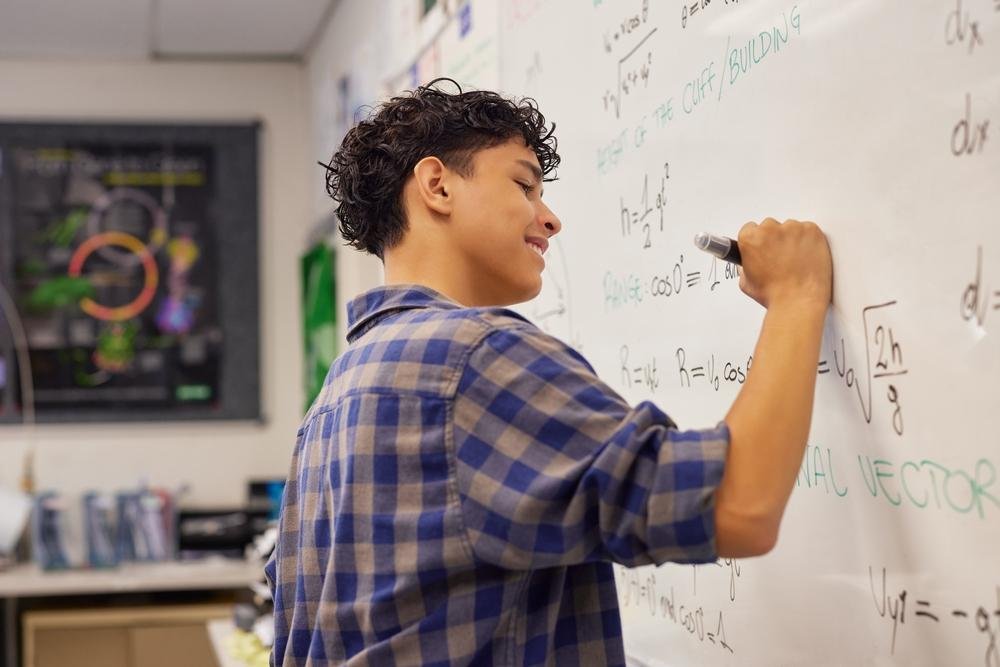
Step into a classroom where silence does not always mean discipline, and noise does not always mean distraction. Sometimes, it is the opposite. A group of students debating climate policy. Another sketching models for a design task. Someone quietly reading, not because they were told to, but because they want to finish what they started.
That, in many ways, captures the learning environment found in IB board schools in Pune. It is not built around memorising answers. It is built around asking better questions.
This shift may seem subtle at first. Yet once you begin to observe it closely, the difference becomes difficult to ignore.
What “Learning Culture” Really Means
Learning culture is not a timetable or a syllabus. It is the set of habits, expectations, and behaviours that shape how students approach learning every single day.
In many classrooms, learning is still treated as a one-way exchange. Teacher speaks, students absorb. In IB settings, the dynamic changes.
Students are expected to:
● Participate actively, not passively
● Challenge ideas respectfully
● Connect concepts across subjects
● Reflect on their own progress
There is a certain ownership here. Students are not just completing tasks. They are engaging with them.
The Shift From Content to Thinking
One of the first things you notice is that content is not the final goal. It is a starting point.
A history lesson may begin with facts, but it rarely ends there. Students are pushed to examine causes, question perspectives, and draw parallels with present-day issues.
This approach is especially visible in IBDP schools in Pune, where academic rigour is paired with independent thinking. Students are expected to move beyond “what happened” and explore “why it matters.”
A Simple Comparison
|
Traditional Approach |
IB Learning Approach |
|
Focus on memorisation |
Focus on understanding |
|
Fixed answers |
Open-ended inquiry |
|
Teacher-led discussions |
Student-driven exploration |
|
Subject isolation |
Interdisciplinary connections |
This does not mean structure disappears. It means structure supports thinking rather than limiting it.
Inquiry as the Core Habit
Walk into an IB classroom and you will hear questions. Not just from teachers, but from students.
● Why does this system work the way it does?
● What if we approached this differently?
● Is there another perspective we are missing?
Inquiry is not treated as an occasional activity. It becomes a habit.
Students learn to sit with uncertainty. They learn that not every question has a neat answer, and that is acceptable. In fact, it is often where deeper understanding begins.
Assessment That Reflects Real Learning
Exams still exist. They have not disappeared. But they are only one part of a broader system.
Students are evaluated through:
● Research-based assignments
● Presentations and oral work
● Long-term projects
● Reflective writing
This is particularly evident in IBDP schools in Pune, where the Extended Essay and internal assessments demand sustained effort and independent research.
It changes how students prepare. Instead of studying only for marks, they begin to think in terms of clarity, structure, and originality.
The Role of Teachers: From Authority to Guide
The teacher’s role shifts in noticeable ways.
They are still subject experts. That does not change. What changes is how they interact with students.
Instead of delivering information, they:
● Frame discussions
● Challenge assumptions
● Guide exploration
● Offer feedback that goes beyond right or wrong
There is a certain restraint involved. Knowing when not to give the answer becomes just as important as knowing the answer itself.
Learning Beyond the Classroom
The learning culture extends outside formal lessons.
Students participate in:
● Community engagement projects
● Creative pursuits such as art and performance
● Physical education with a focus on well-being
● Collaborative group work that mirrors real-world environments
These experiences are not treated as extras. They are integrated into the overall development of the student.
The aim is simple. Build individuals who can think, communicate, and adapt.
A Closer Look at Skill Development
The outcomes of this approach are not always immediate, but they are visible over time.
Key Skills Nurtured
|
Skill Area |
How It Develops in IB Classrooms |
|
Critical thinking |
Through analysis and open-ended tasks |
|
Communication |
Via presentations and discussions |
|
Research ability |
Through structured projects and essays |
|
Time management |
By handling multiple long-term tasks |
|
Self-reflection |
Through regular feedback and review |
These are not taught as separate subjects. They are embedded into everyday learning.
The Emotional Side of Learning
There is another layer that often goes unnoticed.
Students are encouraged to reflect on how they learn, not just what they learn. This builds a sense of awareness.
They begin to recognise:
● Their strengths
● Areas that need improvement
● Strategies that work for them
This emotional engagement with learning creates a quieter form of confidence. Not loud, not performative, but steady.
Why Parents Are Paying Attention
Many families are beginning to look beyond traditional markers of success.
They are asking different questions:
● Will my child enjoy learning?
● Will they be prepared for global education systems?
● Can they think independently?
This is where IB board schools in Pune often stand out. The focus is not only on results, but on readiness for what comes after school.
Conclusion
The learning culture in IB classrooms is not built overnight. It grows through consistent practice, thoughtful teaching, and a clear philosophy.
For families exploring good international schools in Pune, it helps to look closely at how students learn, not just what they study. Among the many IB board schools in Pune, institutions like Pune Wellington reflect this balance with a structured yet flexible approach that supports both academic depth and personal growth.

 English
 Arabic
 French
 Spanish
 Portuguese
 Deutsch
 Turkish
 Dutch
Dutch
 Russian
 Romaian
 Portuguese (Brazil)
 Greek
Greek
