


Why Preventive Fire System Maintenance Matters More Now
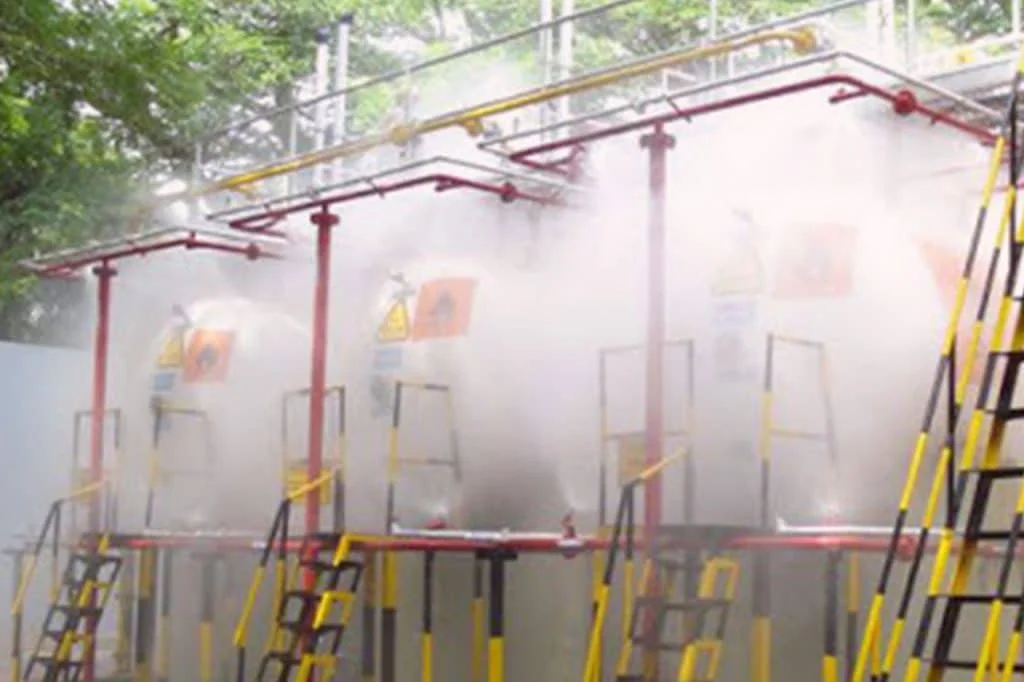
Fire safety is a responsibility that every building owner shares. A properly functioning fire protection system saves lives when seconds count. But fire systems do not maintain themselves over time. Components degrade, corrode, and fail without regular professional attention. The consequences of system failure during an actual fire are devastating and irreversible.
Preventive maintenance has always been important for fire protection systems. But in today's environment, it matters more than ever before. Buildings are aging faster than their original systems were designed for. Insurance requirements are becoming stricter across the industry. And fire codes are evolving to reflect new construction and occupancy realities.
The Shift Toward Proactive Fire Safety Culture
For decades, many building owners treated fire systems reactively. They serviced systems only after a visible failure or a code violation. This reactive approach creates significant gaps in fire protection coverage. Problems develop slowly and invisibly inside aging system components. By the time failure becomes obvious, the system may already be unreliable.
Modern fire safety culture has shifted toward proactive management. Regular inspections, documented service records, and scheduled testing are now standard expectations. Building owners who embrace this shift protect their occupants more effectively. They also reduce liability exposure and avoid costly emergency repairs. Proactive maintenance is both a safety and a business imperative today.
The Role of Regulatory Changes in Driving Maintenance Standards
Fire codes are updated regularly to reflect new data and research. NFPA 25 in North America sets detailed standards for system inspection. Local fire marshals increasingly enforce these standards with formal inspections. Buildings found in non-compliance face fines, occupancy restrictions, and insurance issues. Staying ahead of regulatory requirements requires a consistent maintenance program.
Insurance providers are also raising their fire safety expectations. Premium reductions are increasingly tied to documented maintenance records. Providers may deny claims if inadequate maintenance contributed to a loss. Preventive maintenance documentation protects building owners legally and financially. This shift in insurer expectations has made maintenance economically unavoidable.
Why Aging Infrastructure Demands More Frequent Attention
Most commercial and residential buildings are older than their original fire systems. Systems designed in the 1980s and 1990s are now approaching their design lifespan. Metal components in these systems show accelerated corrosion and wear. Older pipe materials become brittle and susceptible to unexpected failure. Regular inspections catch this degradation before it compromises protection.
Corrosion inside sprinkler pipes is a growing concern across North America. Oxygen-induced corrosion attacks steel pipe from the inside out. Microbiologically influenced corrosion accelerates this damage in certain water conditions. Both types of corrosion lead to pinhole leaks, blockages, and system pressure loss. Detecting corrosion early allows for targeted repair rather than full replacement.
How Preventive Maintenance Extends System Lifespan
Regular maintenance does more than keep your system compliant. It actively extends the functional lifespan of every component. Sprinkler heads that are cleaned and inspected regularly last decades longer. Valves that are exercised annually maintain their sealing ability much longer. Control panels serviced regularly maintain their reliability throughout their intended lifespan.
The cost of extending system life through maintenance is modest. Replacement costs for full system components are far more expensive. A single valve replacement costs several times the annual inspection fee. Full pipe replacement in a large building is an enormous capital expense. Preventive maintenance consistently delays and in some cases eliminates these large expenditures.
The Human Cost of Neglected Fire Systems
Fire system failures during actual emergencies have real human consequences. A sprinkler that fails to activate gives fire more time to spread. Faster fire spread means more injuries, more deaths, and more property loss. Every component that fails was once a small maintenance issue. That issue went undetected because no one was looking for it.
Research on fire-related fatalities consistently identifies one sobering pattern. Most fatal fires involve buildings with poorly maintained or disabled systems. Sprinklers that were inoperable, obstructed, or frozen all contributed to those outcomes. Regular maintenance directly prevents each of these failure modes. The human lives protected by a functioning system justify every dollar spent.
Response Time and System Reliability During Emergencies
Fire sprinkler systems are designed to activate within seconds of heat detection. This immediate response is what makes them so effective at limiting fire spread. But a poorly maintained system may not activate at all. Corroded heads, blocked nozzles, and failing valves all delay or prevent activation. These milliseconds of delay can mean the difference between containment and catastrophe.
Maintenance confirms that every head and valve will respond correctly. Pressure tests verify that water will flow at the required rate and volume. Alarm tests confirm that suppression activity triggers the correct notifications. These performance checks create confidence in the system's emergency readiness. No amount of theoretical specification replaces actual verified performance.
What a Comprehensive Preventive Maintenance Program Includes
A strong preventive maintenance program covers several key activities. Visual inspections check for obstructions, corrosion, and physical damage. Functional tests verify that valves, alarms, and controls respond properly. Flow tests confirm adequate water supply and pressure at system demand. Documentation records every finding and every corrective action taken.
The frequency of each activity depends on system type and age. Newer systems in good condition may require annual comprehensive inspections. Older systems or those in harsh environments need more frequent attention. Systems in buildings with chemical or corrosive environments require quarterly checks. A professional assessment determines the right inspection frequency for your system.
The Importance of Qualified Technicians
Not all maintenance work is equal in quality or effectiveness. Fire systems require technicians with specific training and certifications. NICET-certified technicians have demonstrated knowledge across fire system disciplines. Certified professionals know exactly what to look for during inspections. Their findings carry the credibility required by insurers and code enforcement officials.
Attempting to self-maintain a fire system creates serious legal and safety risks. Improper adjustments can disable protection without any visible sign. Undocumented maintenance provides no protection in the event of an insurance claim. Always choose licensed and insured professionals for fire system service. Their credentials protect both the building and the people inside it.
Technology and Modern Maintenance Tools
Technology is transforming how preventive maintenance is performed and documented. Remote monitoring systems track system pressure and valve status continuously. Alerts notify facility managers and service providers of anomalies immediately. This real-time visibility catches developing problems far earlier than periodic inspections. Early detection means simpler, less expensive corrective action in most cases.
Digital maintenance platforms create comprehensive, searchable service records. Every inspection, test, and repair is logged with timestamps and technician credentials. These records can be accessed instantly during insurance audits or code inspections. Digital documentation eliminates the paper filing challenges of traditional service records. It also enables better scheduling, trend analysis, and system performance tracking.
Predictive Maintenance Using System Data
Modern fire systems generate data that can predict future failure points. Pressure trend data reveals developing leaks or blockages before they become failures. Valve response time data identifies components that are beginning to degrade. Analyzing this data allows maintenance to be targeted precisely where it is most needed. Predictive maintenance maximizes resource efficiency and minimizes system downtime.
This data-driven approach is becoming increasingly accessible to building owners. Service providers who offer monitoring and analytics provide a significant advantage. They shift maintenance from a reactive to a genuinely proactive model. The result is better protection, lower costs, and greater confidence in system performance. Every building owner should ask their service provider about these capabilities.
Making the Case for Investment in Preventive Maintenance
Some building owners resist maintenance investments due to budget pressures. This perspective underestimates the true cost of neglect. Emergency repairs cost several times more than scheduled preventive work. System failures during emergencies expose owners to massive liability claims. Insurance non-renewal or premium increases follow documented maintenance failures.
The return on investment for preventive maintenance is consistently strong. Lower repair costs, reduced insurance premiums, and extended system life combine favorably. They produce a return that far exceeds the annual maintenance expenditure. Every year of consistent maintenance compounds these benefits further. The financial case for prevention is as strong as the moral and safety case.
Irrigation and fire protection professionals who specialize in fire sprinkler system maintenance bring deep technical expertise to every service visit. Their knowledge of system components, codes, and testing protocols is comprehensive. Working with dedicated professionals ensures your system meets every applicable standard. It also ensures your documentation withstands scrutiny from insurers and inspectors. Choosing the right service partner is one of the most important decisions a building owner can make.
Conclusion
Preventive fire system maintenance is no longer optional for responsible building owners. It is a regulatory expectation, an insurance requirement, and a moral obligation. Aging infrastructure, evolving codes, and rising occupant expectations all demand proactive attention. The cost of maintaining a fire system is always smaller than the cost of failing to do so. Investing in prevention today is the most reliable way to protect the lives and property entrusted to your care.

 Arabic
 French
 Spanish
 Portuguese
 Deutsch
 Turkish
 Dutch
Dutch
 Italiano
 Russian
 Romaian
 Portuguese (Brazil)
 Greek
Greek
