


How ADHD Assessments Help Adults Improve Daily Focus
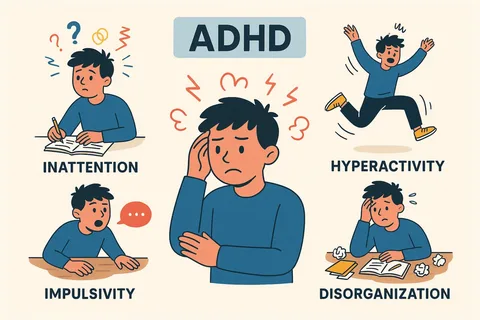
Focus is not simply about trying harder or caring more about results. For many adults, focus is a daily battle they cannot seem to win. Meetings blur, deadlines pass, and important responsibilities get forgotten repeatedly. Tasks that should take an hour stretch into an entire exhausting day. Many adults chalk this up to stress, aging, or poor habits. However, the real cause is often undiagnosed attention deficit hyperactivity disorder. An ADHD assessment offers a path from daily confusion to genuine, lasting clarity.
Why Adults Struggle With Focus More Than They Realize
Adults with ADHD experience what clinicians call attention dysregulation. This means attention does not simply disappear but becomes extremely inconsistent. A person might deeply focus on a video for hours without effort. Yet drafting a simple work email may feel completely impossible to complete. This inconsistency confuses both the individual and those around them. It leads to labels like lazy, careless, or unmotivated in many settings. These labels are deeply unfair and ignore the neurological reality of ADHD. A proper assessment replaces harmful labels with accurate understanding and clinical support.
The Neurological Basis of Focus Difficulties in ADHD
ADHD is a condition rooted in neurological differences, not personality flaws. The brains of people with ADHD produce and regulate dopamine differently. Dopamine is a neurotransmitter closely tied to motivation, reward, and sustained focus. When dopamine signaling is disrupted, maintaining attention becomes very challenging. Tasks without immediate reward or novelty are especially difficult to sustain. This is why adults with ADHD often procrastinate on important but unglamorous tasks. Understanding the science behind ADHD removes blame and guides effective treatment decisions.
The Role of a Professional Assessment in Identifying Focus Issues
A professional ADHD assessment is far more detailed than most people expect. It begins with an in-depth clinical interview covering current daily functioning. Childhood history, school records, and family background are often reviewed. Standardized questionnaires and rating scales are completed by the individual. A close family member or partner may provide additional behavioral observations. Cognitive testing measures attention span, processing speed, and working memory capacity. All of these elements combine to create a comprehensive clinical picture. This picture guides accurate diagnosis and targeted, personalized treatment planning.
Differentiating ADHD From Other Focus-Related Conditions
Many conditions can cause difficulty with focus and concentration in adults. Anxiety, depression, thyroid disorders, and sleep apnea all impair attention significantly. A thorough assessment rules out or identifies these co-occurring conditions. This is critically important because treatment approaches differ greatly between conditions. Treating anxiety alone will not resolve underlying ADHD in a person. Similarly, ADHD medication will not address depression as a standalone condition. A comprehensive evaluation ensures that every contributing factor is properly identified. Adults receive treatment that addresses their complete clinical picture accurately.
How Improved Focus Changes Daily Life After an Assessment
Receiving a diagnosis begins a cascade of meaningful and positive life changes. Adults gain a language for their experiences and struggles for the first time. They can communicate their needs more clearly to employers, partners, and doctors. Treatment options become available that directly improve attention and focus. Medication, when appropriate, can produce dramatic improvements in daily functioning. Many adults describe the experience of proper focus as completely life-changing. Tasks that once took hours may be completed in a fraction of the time. This improvement ripples outward into every aspect of daily life.
Focus Improvements That Impact Relationships and Communication
Poor focus does not only affect work. It affects every personal relationship an adult has. Forgetting important conversations, dates, and commitments damages trust over time. Partners often feel unheard or unimportant when ADHD goes unaddressed. Children feel ignored when a parent cannot maintain attention during conversations. After assessment and treatment, these dynamics often shift dramatically for the better. Adults become more present, engaged, and reliable in all their relationships. Communication improves as focus becomes more consistent and sustained throughout the day.
What Adults Should Know Before Booking an Assessment
Many adults feel nervous or uncertain before booking an ADHD assessment. They may worry about being judged or not taken seriously by clinicians. Some fear a diagnosis will affect their career or insurance coverage negatively. These concerns are understandable and worth discussing with a clinician beforehand. In most cases, a diagnosis creates opportunities rather than limiting them. Accommodations at work become possible after formal documentation is provided. Understanding one's own brain better is never a disadvantage in any situation. Preparation involves gathering past school records and writing down key current symptoms.
Questions to Ask Your Assessment Provider
Preparing thoughtful questions before an assessment is a very wise approach. Adults should ask about the clinician's specific experience with adult ADHD presentations. It is important to understand what the assessment will involve and how long it takes. Asking about next steps after diagnosis helps set realistic expectations for outcomes. Understanding costs, insurance coverage, and report turnaround time is also essential. Knowing whether feedback sessions are included helps with planning appropriately. A good clinician welcomes questions and takes time to address concerns patiently. This transparency builds trust and makes the assessment experience far less intimidating.
Accessing an Assessment in Calgary
Calgary offers a growing range of qualified ADHD assessment providers for adults. Both private clinics and some publicly funded options exist across the city. Assessment wait times vary but have improved as awareness of adult ADHD grows. Many providers offer flexible scheduling to accommodate working adults and parents. A family doctor referral may be required by some assessment providers in the city. Seeking an adult adhd assessment calgary is a meaningful step toward lasting clarity. Adults deserve professional support, and Calgary has the resources to provide it.
Treating ADHD to Sustain Better Focus Long Term
Diagnosis is only the beginning of an ongoing and evolving treatment journey. Medication is often the first-line treatment recommended for adult ADHD. Stimulants like methylphenidate or amphetamines are commonly prescribed by physicians. These medications increase dopamine availability and significantly improve focused attention. Regular medication reviews are essential to ensure dosage and type remain appropriate. Therapy and coaching complement medication by building practical skills and self-awareness. Together, these approaches create a comprehensive strategy for sustained daily focus improvement.
Non-Medication Approaches That Support Sustained Focus
Many adults prefer or require non-medication approaches to managing ADHD symptoms. Cognitive behavioral therapy is highly effective for restructuring unhelpful thought patterns. Mindfulness practices help adults increase present-moment awareness and reduce mental wandering. Regular aerobic exercise is one of the most well-researched non-medication ADHD interventions. Physical activity increases dopamine and norepinephrine levels naturally in the brain. Sleep hygiene is also crucial since poor sleep dramatically worsens attention and focus. Nutrition and structured daily routines further support cognitive performance and emotional regulation. A holistic approach often yields the most sustainable long-term results for adults.
The Long-Term Payoff of Addressing Focus Challenges Properly
Adults who seek assessment and treatment consistently report improved quality of life. Professional performance improves as focus becomes more reliable and consistent. Projects get completed, goals are met, and confidence increases meaningfully. Relationships strengthen as communication and presence both improve with treatment. Financial habits often improve as impulsivity and disorganization are better managed. Mental health stabilizes as the frustration of daily struggle begins to ease. Life begins to feel far more within reach than it ever did before.
Staying Consistent With ADHD Management Over Time
Managing ADHD is a lifelong commitment rather than a one-time intervention. Regular check-ins with a clinician help ensure that treatment remains effective. As life circumstances change, treatment approaches may need to be adjusted. Building a support network of trusted people is invaluable for long-term management. Adults benefit from joining ADHD communities where shared experiences offer real comfort. Ongoing education about ADHD helps adults stay informed and proactive about their care. Consistency in treatment is what separates short-term improvement from lasting life transformation.
Conclusion
Daily focus is something many adults with ADHD spend years desperately trying to achieve. Without a proper assessment, the root cause of focus struggles remains unknown. Treatment remains inaccessible, and the cycle of failure continues without interruption. A professional ADHD assessment breaks that cycle with clarity, compassion, and evidence-based care. It connects adults to the exact support they need to truly thrive. Improved focus transforms not just work but every aspect of adult life. For Calgary residents struggling with attention and daily functioning, help is genuinely available. Taking the step to get assessed may be the most important decision you make.

 English
 Arabic
 French
 Spanish
 Portuguese
 Deutsch
 Turkish
 Dutch
Dutch
 Russian
 Romaian
 Portuguese (Brazil)
 Greek
Greek
