


Can You Install Kitchen Mixer Taps Yourself?
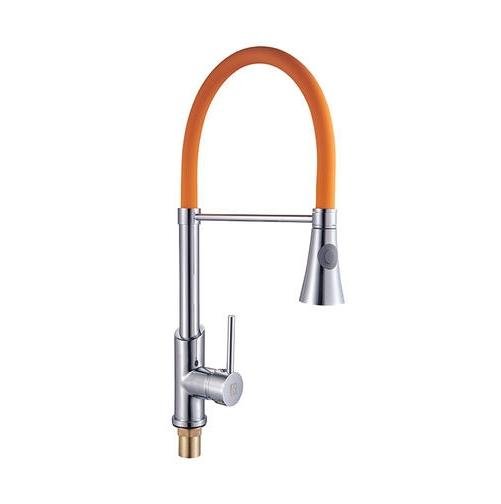
Installing high quality kitchen mixer taps might seem straightforward: drill a hole, connect hoses, and turn on the water. But as many DIYers discover, small mistakes during installation can lead to persistent issues like leaks, uneven water pressure, or even damage to cabinets and sinks. Understanding the process — and common pitfalls — helps homeowners decide whether to tackle the project themselves or call a plumber.
One of the first considerations is your existing plumbing setup. Not all sink mountings and water pressure situations are alike. In some homes, you may find that water lines need flushing before hookup to a new mixer tap. Failure to cleanse the lines can mean debris gets caught inside the cartridge or valves, leading to rough operation or uneven flow. Preparing the supply lines properly is essential to avoid these issues.
Many online forums include detailed discussions about specific mistakes people make when installing their mixer. A common scenario is misaligning flexible hoses or not tightening them sufficiently, which can cause dripping beneath the sink. Another repeated comment is that people underestimate how key it is to access and secure the o-rings and seals inside the base of the tap. In some cases, users reported leaks from where the spout joins the body of the tap — indicating that either the internal seals were not installed correctly or they were faulted during setup.
Another frequent DIY question is about water pressure. If hot and cold water pressures aren’t balanced, the mixer tap may behave unpredictably, especially in models designed for specific pressure ranges. Checking your water pressure and matching it with the fixtures you choose reduces the chance of erratic performance after installation.
Whether you choose to install the tap yourself or hire help, pay close attention to manufacturer instructions. A kitchen mixers factory that provides clear, step-by-step installation documentation can make the process smoother for homeowners who want to take the DIY route. Clear labeling of components, well-fitted parts, and robust sealing mechanisms all make a difference when installing your kitchen mixer tap with confidence.
At the end of the day, installation challenges often boil down to preparation and patience. Good planning, the right tools, and understanding what to expect can transform a potentially frustrating project into a satisfying achievement.

 Arabic
 French
 Spanish
 Portuguese
 Deutsch
 Turkish
 Dutch
Dutch
 Italiano
 Russian
 Romaian
 Portuguese (Brazil)
 Greek
Greek
