


How DTF Printing Is Transforming the Custom Apparel Industry
Introduction
The custom apparel industry has experienced remarkable growth over the past decade. Businesses, fashion startups, sports teams, and independent creators are constantly searching for better ways to produce high-quality clothing with unique designs. Traditional printing methods, while effective in some situations, often come with limitations such as expensive setup costs, slow production times, and restricted customization options.
Direct-to-Film (DTF) printing has emerged as one of the most innovative solutions in the apparel market. This technology allows businesses to create vibrant, durable, and detailed designs on various fabrics without the challenges associated with older printing methods. As demand for personalized apparel continues to rise, DTF printing is becoming a major force transforming the custom clothing industry.
The Rise of Modern Printing Technology
The apparel business is shifting toward faster and more flexible production systems. Customers now expect personalized products with quick delivery times, making digital printing technologies more important than ever. DTF printing meets these demands by offering efficient production and excellent print quality for businesses of all sizes.
Many companies are also turning toward Wholesale DTF Transfers to reduce production costs and improve efficiency. This approach allows apparel businesses to order ready-to-press transfers in bulk, saving both time and resources. As a result, startups and established brands can focus more on design creativity and customer satisfaction rather than complex production management.
What Makes DTF Printing Different?
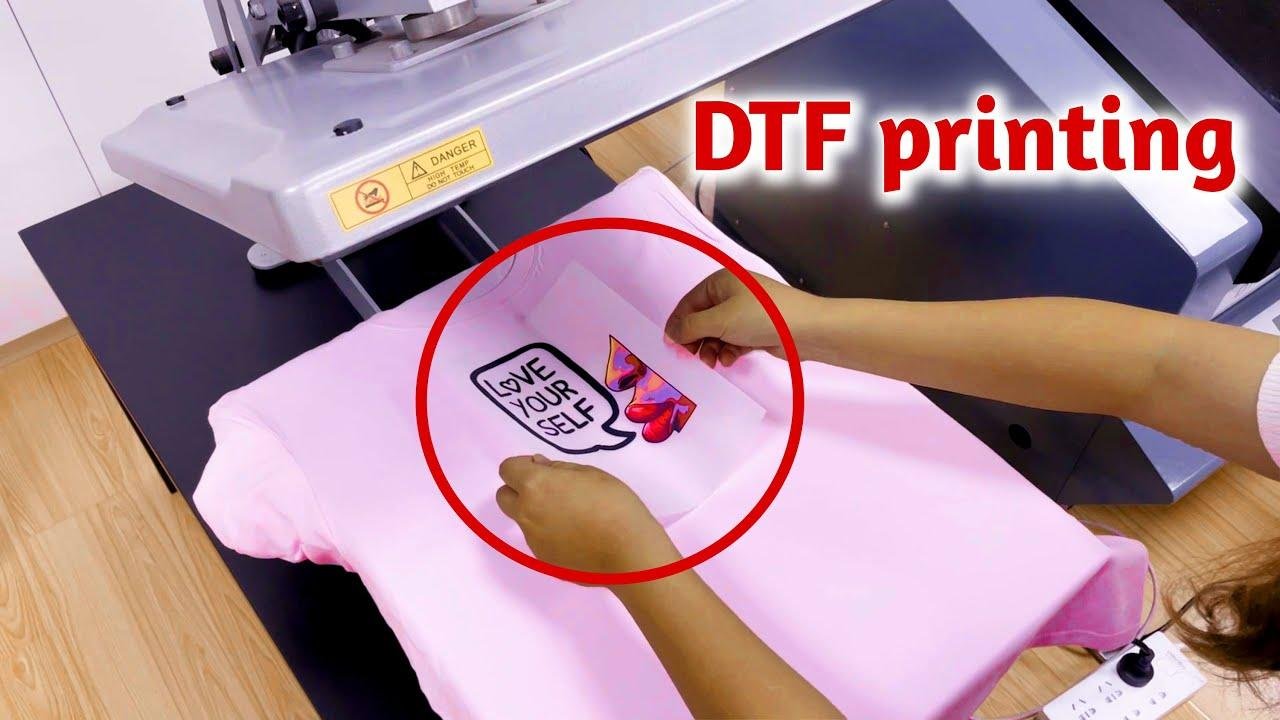
Unlike traditional screen printing, DTF printing does not require separate screens for every design. Instead, designs are printed directly onto a special film and then transferred onto fabric using heat and adhesive powder. This process simplifies production while maintaining excellent color accuracy and detail.
One of the biggest advantages of DTF printing is its compatibility with multiple fabric types. Cotton, polyester, blends, and even dark garments can all be printed successfully using this technology. This versatility gives clothing brands greater freedom to expand their product offerings.
Faster Production for Growing Brands
Speed has become one of the most valuable factors in the fashion and apparel industry. Customers want quick turnaround times, especially for personalized clothing and limited-edition collections. DTF printing allows businesses to produce garments much faster than traditional methods because the setup process is simple and digital.
For small businesses and startups, this efficiency is extremely beneficial. Brands can respond quickly to market trends, launch seasonal designs, and fulfill customer orders without long production delays. Faster production also improves customer satisfaction and increases repeat purchases.
Cost-Effective Solutions for Startups
Starting a custom apparel business often requires careful financial planning. Traditional printing systems may involve expensive equipment, high setup fees, and large minimum order requirements. DTF printing reduces many of these barriers, making it more accessible for entrepreneurs with limited budgets.
Businesses can print smaller quantities without increasing costs significantly. This flexibility helps startups test new products and designs without the risk of overproduction. Instead of investing heavily in inventory, companies can focus on branding, marketing, and customer engagement.
Improved Print Quality and Durability
Modern consumers expect clothing designs to remain vibrant even after multiple washes. DTF printing provides strong durability and excellent color retention, helping businesses deliver premium-quality products.
The technology creates sharp details, smooth textures, and bright colors that stand out on various garment types. This quality helps brands build trust with customers and establish a strong reputation in the competitive apparel market.
Personalization and Creative Freedom
Customization has become one of the biggest trends in fashion. Customers are no longer satisfied with generic designs; they want products that reflect their personality and interests. DTF printing allows businesses to produce highly customized apparel without increasing production complexity.
Brands can easily create personalized t-shirts, hoodies, caps, tote bags, and sportswear. Whether for corporate branding, influencer merchandise, or special events, DTF printing offers endless creative opportunities for businesses.
Supporting the Growth of E-Commerce
The rapid growth of e-commerce has significantly influenced the custom apparel industry. Online stores and social media platforms have created opportunities for small businesses to reach global audiences. DTF printing works perfectly with the print-on-demand business model because it supports flexible and low-volume production.
Instead of maintaining large inventories, businesses can produce garments only when customers place orders. This reduces storage costs and minimizes financial risks. It also allows brands to quickly adapt to changing fashion trends and customer preferences.
Sustainability in the Apparel Industry
Sustainability has become a major concern in modern fashion production. Consumers are increasingly supporting brands that follow environmentally responsible practices. DTF printing contributes to sustainability by reducing waste and enabling precise printing.
Since businesses can print only what they need, there is less excess inventory and fewer discarded products. Additionally, modern DTF systems are designed to use materials more efficiently, helping reduce the environmental impact of apparel production.
Automation and Digital Workflow
Technology continues to improve the efficiency of DTF printing systems. Many businesses now use automated software for design uploads, color management, and production scheduling. These digital workflows simplify operations and reduce human error.
Automation allows companies to process larger order volumes while maintaining consistent quality. As businesses grow, these systems help improve productivity and reduce operational costs.
Expanding Opportunities for Entrepreneurs
DTF printing has opened new opportunities for creative entrepreneurs around the world. Individuals can start small apparel businesses from home with minimal equipment and investment. Social media marketing and online marketplaces make it easier than ever to reach potential customers.
This accessibility has encouraged many independent creators to enter the apparel industry. From custom streetwear brands to niche merchandise businesses, DTF printing is helping entrepreneurs turn creative ideas into profitable ventures.
Innovation Driving the Future
The custom apparel industry continues to evolve with advancements in printing technology, software, and production materials. DTF printing remains at the center of this transformation because of its adaptability and efficiency.
As consumer demand for personalization grows, businesses will continue investing in technologies that allow faster production and better design flexibility. Companies that embrace modern printing solutions are more likely to succeed in the competitive fashion market.
Smart Production Strategies for Modern Businesses
Efficient production planning is becoming essential for apparel brands that want to remain competitive. Many businesses now rely on tools like a custom gang sheet to organize multiple designs on one film and maximize printing efficiency. This approach reduces waste, improves workflow, and allows businesses to handle larger order volumes without sacrificing quality.
Conclusion
DTF printing is transforming the custom apparel industry by providing businesses with faster production, lower costs, superior print quality, and greater design flexibility. From startups to established clothing brands, companies are using this technology to meet modern customer demands and grow more efficiently.
As the apparel market continues evolving, DTF printing will remain a key driver of innovation and customization. Businesses that adopt these advanced printing methods today will be better prepared for long-term success in the future.

 Arabic
 French
 Spanish
 Portuguese
 Deutsch
 Turkish
 Dutch
Dutch
 Italiano
 Russian
 Romaian
 Portuguese (Brazil)
 Greek
Greek
