


Best Preventive Dental Tips for Children
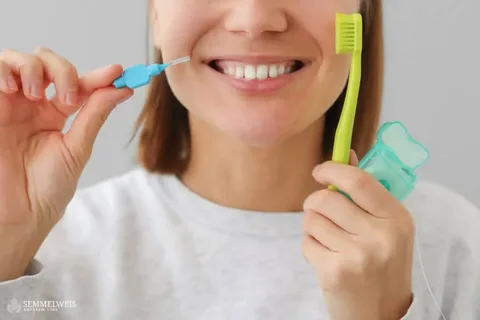
Children's dental health sets the foundation for lifelong oral wellness. Habits formed during childhood persist well into adulthood consistently. Parents play the most important role in shaping these habits. Early dental education and care prevent a lifetime of dental problems. Understanding what children need at each developmental stage is essential. This guide provides the most effective preventive dental tips for children.
Why Children's Dental Health Deserves Special Attention
Primary teeth are often underestimated by parents and caregivers. Many believe baby teeth do not matter because they fall out. This is one of the most damaging misconceptions in pediatric dentistry. Primary teeth serve critical functions that affect development significantly. They help children chew food properly for adequate nutrition intake. They guide speech development and proper pronunciation of sounds.
Most importantly, primary teeth hold space for permanent teeth. When baby teeth are lost prematurely due to decay, space is lost. Permanent teeth then erupt in incorrect positions causing crowding. This misalignment often requires expensive orthodontic treatment later in life. Preventing decay in primary teeth protects the entire future dental arch. Every primary tooth matters and deserves proper care and protection.
Early Childhood Caries: The Most Prevalent Childhood Disease
Tooth decay is the most common chronic childhood disease globally. It affects children far more frequently than asthma or diabetes. Early childhood caries develops rapidly in young children's teeth. Baby teeth have thinner enamel than permanent teeth making them vulnerable. Bacteria transmitted from parent to child during early infancy begins the process. Preventive action must begin before teeth even fully erupt.
Starting Dental Care Before the First Tooth Appears
Dental care should begin before a child's first tooth erupts. Gum tissue cleaning establishes important hygiene habits from infancy. Use a clean, damp cloth after each feeding session. Wipe the gums to remove milk residue and bacteria. This practice introduces the sensation of oral cleaning gradually. Babies become accustomed to oral hygiene routines through consistent repetition.
When the first tooth erupts, transition to a soft infant toothbrush. Use a tiny smear of fluoride toothpaste about the size of a grain of rice. This minimal amount is safe even if swallowed by young infants. Brush the tooth and surrounding gum tissue gently twice daily. Establishing this routine early prevents resistance to brushing later. Early introductions make brushing feel normal and expected for children.
When to Schedule the First Dental Visit
The American and Canadian dental associations recommend a clear timeline. A child's first dental visit should occur by their first birthday. Alternatively, it should happen within six months of the first tooth erupting. Early visits accomplish several important things for the child. The dentist examines the mouth for developmental concerns and early decay. Parents receive critical guidance on feeding, teething, and home care.
Early visits also establish comfort with the dental environment gradually. Children who visit early develop positive associations with dental offices. This reduces anxiety and avoidance behavior throughout childhood and adolescence. Waiting until age three for a first visit is too long. Problems can develop and progress significantly in those early years. Early prevention creates a foundation for lifelong positive dental experiences.
Proper Brushing Techniques for Children at Every Age
Children require different levels of brushing assistance at different ages. Infants and toddlers need parents to brush their teeth completely. Children under three cannot coordinate the necessary brushing movements. Parents should brush morning and night without exception for young children. Making it a playful routine helps children enjoy the experience. Songs, timers, and storytelling make brushing more engaging for toddlers.
Children aged three to six are learning to brush independently. They should practice brushing but still need parental supervision. Parents should finish the brushing to ensure adequate plaque removal. Demonstrating proper technique alongside children teaches them effectively. Using a two-minute sand timer or electric brush with a timer helps. Children in this age range need fluoride toothpaste the size of a pea.
Encouraging Independent Brushing in Older Children
By age seven, most children have sufficient coordination to brush alone. However, parental monitoring and occasional checks are still valuable. Some children resist brushing as they gain more independence naturally. Involving children in choosing their toothbrush and toothpaste increases compliance. Flavored toothpastes and character toothbrushes make oral care more appealing. Positive reinforcement without excessive pressure builds lasting positive habits.
Teaching Children to Floss From an Early Age
Flossing is an oral hygiene skill that requires early introduction. When two teeth touch each other, flossing becomes necessary. This typically occurs with primary teeth during the toddler years. Parents should floss children's teeth until they can do it competently. Most children cannot floss effectively until around age ten. Until then, parents remain responsible for this important hygiene task.
Floss picks designed for children make the task much easier. They are smaller and easier to maneuver in small mouths. Water flossers are also effective for children who resist traditional flossing. Choosing the right tool increases the likelihood of consistent flossing. Normalizing flossing from childhood creates lifelong flossing habits in adults. Adults who floss consistently typically began the habit in childhood.
Dietary Habits That Protect Children's Teeth
Diet plays an enormous role in childhood dental health outcomes. Sugary snacks and drinks are the primary drivers of tooth decay. The frequency of sugar exposure matters more than the total amount. Every sugar exposure triggers an acid attack on tooth enamel. Frequent snacking throughout the day means nearly constant acid exposure. Limiting sugar to mealtimes dramatically reduces this cumulative acid damage.
Juice, even natural 100% fruit juice, is highly problematic for teeth. It contains concentrated natural sugars that fuel bacterial activity. Pediatric dentists recommend limiting juice intake significantly for children. Water should be the primary beverage children drink between meals. Fluoridated tap water provides both hydration and enamel-strengthening fluoride. Milk is also an excellent choice due to its calcium content.
Healthy Snack Alternatives That Support Oral Health
Replacing sugary snacks with tooth-friendly alternatives is very achievable. Cheese is an excellent snack that actually raises oral pH levels. It neutralizes acids and provides calcium for enamel strengthening. Raw vegetables like carrots and celery mechanically clean tooth surfaces. Apples stimulate saliva production that naturally cleans the mouth. Nuts provide healthy fats and proteins without significant sugar content.
Dental Sealants for Children: Powerful and Painless Protection
Dental sealants are one of the most effective preventive tools available. They are thin plastic coatings applied to molar chewing surfaces. Back molars have deep pits and fissures that trap bacteria easily. Even thorough brushing cannot always reach these deep grooves effectively. Sealants fill these grooves creating a smooth, easy-to-clean surface. The procedure is completely painless and takes only minutes to complete.
Sealants are typically placed when permanent molars erupt in children. First permanent molars erupt around age six in most children. Second molars erupt around age twelve and also benefit from sealants. Studies show sealants reduce molar cavity risk by nearly 80%. The protection they provide is among the highest of any preventive intervention. Sealants are a highly cost-effective investment in your child's dental health.
The Role of Fluoride in Protecting Children's Teeth
Fluoride is the single most powerful weapon against childhood tooth decay. It strengthens enamel by incorporating into its crystalline structure directly. Fluoride also inhibits the acid-producing ability of decay-causing bacteria. Children benefit from fluoride in multiple forms simultaneously. Fluoride toothpaste provides daily exposure during home brushing sessions. Professional fluoride treatments at dental visits provide concentrated periodic exposure.
Fluoridated water provides continuous low-level fluoride exposure throughout the day. Children who drink fluoridated tap water have significantly fewer cavities. In areas with low water fluoride, supplements may be prescribed. Your child's dentist or pediatrician evaluates local water fluoride content. They prescribe appropriate supplementation if local water levels are insufficient. Proper fluoride exposure during development creates significantly stronger permanent teeth.
Instilling Lifelong Values Around Oral Health
The attitudes children develop about dental care persist lifelong. Parents who model positive dental behaviors raise dental-health-conscious children. Children observe and mimic adult behaviors more than they follow instructions. Letting children see you brush, floss, and attend dental visits matters. Speaking positively about dental visits removes fear and negative associations. Never use dental appointments as a threat or punishment for children.
Incorporating preventive dental care values early creates lasting adult habits. Children who visit the dentist regularly become adults who do too. The emotional associations formed in childhood are remarkably durable over time. Positive early dental experiences are among the most valuable gifts parents provide. They directly translate into lower lifetime dental costs and better health outcomes.
Conclusion
Children's dental health requires intentional and consistent parental involvement. Starting care before the first tooth and scheduling early dental visits are essential. Teaching proper brushing and flossing techniques supports independence over time. Smart dietary choices dramatically reduce childhood cavity risk. Sealants and fluoride treatments provide additional powerful layers of protection. Positive attitudes about dental care create lifelong oral health habits in children.

 Arabic
 French
 Spanish
 Portuguese
 Deutsch
 Turkish
 Dutch
Dutch
 Italiano
 Russian
 Romaian
 Portuguese (Brazil)
 Greek
Greek
